Noticing a sudden drop in your Domain Rating (DR) on Ahrefs can be unsettling—should you panic, or is this a sign of progress? The recent recalibration, driven by an industry shift toward trust and relevance, isn’t a penalty but a move toward more accurate measurement of true authority. This update emphasizes the quality of backlinks over sheer quantity, rewarding genuine trust signals from reputable sources. Fluctuations now reflect a more honest landscape, highlighting that building a resilient backlink profile through high-quality, relevant links is key to long-term growth. Are your strategies aligned with this new focus? Instead of chasing quick scores, the emphasis shifts to authentic content creation, strategic relationship-building, and continuous backlink management. This evolving approach underscores that sustainable SEO success depends on trust, relevance, and credibility—what will you do to adapt and thrive in this transparent new era of link building?
Table of Contents
Understanding the Impact of Ahrefs’ Algorithm Update on Your Domain Rating
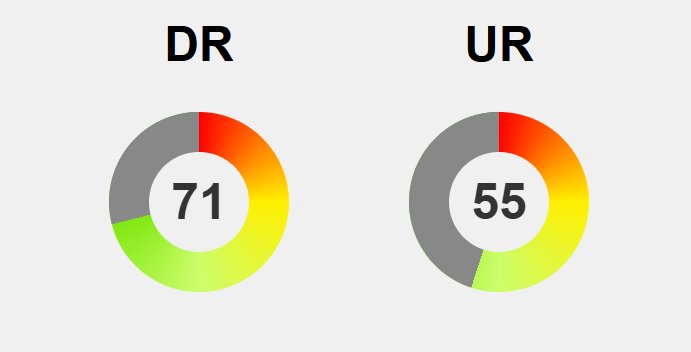
Recently, many website owners and digital marketers have noticed a sudden change: their Domain Rating scores on Ahrefs are dropping sharply. For some, it’s a shock—seeing scores fall by 20, 30, or even 50 points overnight. But this isn’t a sign that your site has been penalized or that something’s wrong with your content. Instead, it’s tied to a major update from Ahrefs aimed at making their metrics more accurate and trustworthy.
This change is a recalibration, not a penalty. Ahrefs has refined its algorithm to better reflect the true quality of your backlink profile. The new system shifts focus away from simply counting links and instead emphasizes the trustworthiness, relevance, and strength of those links. As a result, your DR now offers a clearer picture of your actual authority, rewarding genuine backlink quality over sheer volume.
Understanding this update helps explain why scores fluctuate so much. When your DR drops suddenly, it doesn’t mean your site has lost value or been penalized. Instead, it signals that the measurement method has become more precise, giving a more honest assessment of your backlink profile. Websites that relied on low-quality or spammy links will see their scores decrease, aligning the metric with real trust signals, while sites with strong, relevant backlinks may see their scores stabilize or even improve.
The timing of this update is also significant. It highlights a broader industry move toward prioritizing trust and relevance in SEO metrics. As search engines like Google continue emphasizing authority built on quality, tools like Ahrefs are adjusting their calculations to match. For website owners, this shift underscores the importance of building authentic backlinks and maintaining a clean, trustworthy profile—because in the new landscape, quality truly trumps quantity.
While a sudden drop can feel concerning, it’s not necessarily bad news. It’s an opportunity to reassess your backlink strategy, focus on acquiring high-quality links, and strengthen your site’s overall authority. This recalibration pushes everyone to think more critically about link building and long-term sustainability, aligning SEO efforts with the core principles of trust, relevance, and genuine influence.
The Evolution of Domain Rating: From Quantity to Quality in Backlink Analysis
Domain Rating, or DR, is a key metric used by SEO tools like Ahrefs to estimate a website’s overall authority based on its backlink profile. Think of it as a score that compares how well your site is connected through links relative to others in your niche. A higher DR suggests your site has a strong, trustworthy network of backlinks, which search engines interpret as a sign of credibility and influence.
Traditionally, DR was heavily influenced by the sheer number of backlinks a site had. The more links, the higher the score—regardless of where they came from. Over time, however, it became clear that not all links are equal. Low-quality or spammy links can inflate scores without genuinely reflecting a site’s authority. Recognizing this, Ahrefs and similar tools shifted towards valuing the trustworthiness, relevance, and strength of backlinks, making DR a more meaningful indicator of true influence.
Search engine algorithms, especially Google’s, have evolved to emphasize trust, content quality, and user experience. Major updates have increasingly rewarded genuine authority rather than superficial link volume or manipulative tactics. As a result, SEO metrics like DR have had to adapt, recalibrating how they measure backlink quality to align with these broader industry standards. When Ahrefs updates its DR calculation, it’s often in response to these shifts, aiming to provide a more accurate reflection of real-world authority.
Recent algorithm changes from Ahrefs have placed greater weight on the trust signals and relevance of backlinks rather than just their quantity. The new approach assesses the authority of linking sites, the context in which links are embedded, and the overall trust conveyed through those links. This means that websites with many low-quality links are likely to see their scores decrease, while those with fewer but higher-quality, relevant backlinks may see their DR stabilize or improve.
It’s important to see DR as a relative measure rather than an absolute. A drop in your score doesn’t mean your site has suddenly lost all its value; instead, it indicates that the measurement is now more aligned with actual backlink quality. Fluctuations often reflect changes in your backlink profile or shifts in the competitive landscape, rather than direct penalties or losses in authority.
This ongoing evolution in DR measurement underscores a broader industry move toward trust-based SEO. It emphasizes the importance of building authentic, relevant backlinks from reputable sources rather than relying on volume or shortcuts. For website owners, understanding these adjustments helps clarify that genuine authority comes from quality, not just numbers, and that investing in trustworthy link-building strategies is more vital than ever.
In essence, the recalibration of DR reflects a more mature, transparent approach to measuring online influence. It encourages a focus on sustainable, organic growth driven by valuable content and real relationships. As the metrics become more precise and trustworthy, they reward efforts rooted in authenticity, helping create a healthier, more credible web ecosystem.
Navigating the New Normal: What Webmasters Are Experiencing Post-Update
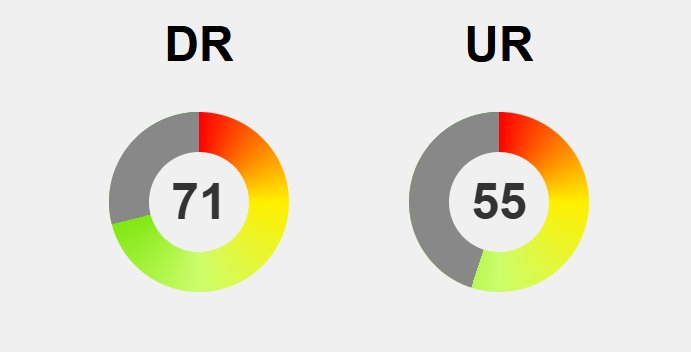
Since Ahrefs rolled out its recent DR update, many websites are experiencing noticeable fluctuations in their scores. Some are seeing sharp drops overnight—by 20, 30, or even 50 points—leaving site owners puzzled and often worried about what this means for their SEO. But these changes aren’t penalties; they’re part of the new, more precise way the tool now measures backlink quality and trust signals.
Websites that previously relied on a large number of low-quality or spammy backlinks are the most affected. Their scores tend to decrease because the updated algorithm places less emphasis on sheer link volume and instead focuses on the trustworthiness and relevance of each backlink. This means sites that once appeared strong due to inflated metrics now look weaker, revealing the true quality of their backlink profile.
Conversely, sites with cleaner, more authoritative backlinks might see their scores stabilize or even improve. This shift highlights the benefit of building a genuine, trust-based link profile. The fluctuations are a reflection of the recalibration towards quality, not a sign of decline. In fact, the landscape is changing to favor those who focus on meaningful, relevant links.
Another factor driving these score changes is the activity of competitors. When other sites in your niche acquire higher-quality backlinks, your relative position shifts. Your DR might fall even if you haven’t lost any links, simply because your competitors are improving their backlink profiles. This underscores that DR is a comparative metric—it’s always measured against others in your industry, so shifts in the broader landscape impact your score.
Loss of referring domains also plays a role. If reputable sites remove or nofollow links, the trust signals passed on decrease, causing your DR to dip. The algorithm re-evaluates the weight of existing links, so some that once contributed significantly now count less. This process underscores that the new DR measurement is more aligned with actual backlink strength and relevance.
For many site owners, these fluctuations can be unsettling. However, they serve as a reminder that the metric is now more honest and transparent. Instead of panicking, it’s an ideal moment to review your backlink profile and identify areas for improvement. Building high-quality, niche-relevant links becomes even more critical in this environment.
Overall, these changes are shifting the focus from superficial link volume to authentic authority. They reward efforts that cultivate trust and relevance over time. While the current situation might feel disruptive, it’s an opportunity to refine your strategy and build a stronger foundation for sustainable SEO success.
For those observing a Crazy almost overnight drop in their DR, it’s important to understand that these fluctuations are part of the broader recalibration process. Rather than panic, site owners should take this as an opportunity to reassess their backlink profiles and focus on acquiring high-quality, relevant links. To learn more about recent updates and what they mean for your website, you can read detailed insights in this article on Ahrefs' recent DR update.
Rebuild and Strengthen: Effective Strategies to Boost Your Domain Authority
To rebuild your DR after a sudden dip, start with a thorough backlink audit. Identify which links have been lost or devalued by using tools like Ahrefs. Focus on high-authority, relevant sites that can bolster your link profile. Removing or disavowing low-quality, spammy, or irrelevant links helps restore trust signals and improves your site’s credibility in the eyes of search engines.
Next, prioritize acquiring new backlinks from reputable sources within your niche. Reach out to industry blogs, academic sites, and well-known publications for opportunities to earn dofollow links. Building relationships with these sites through guest posting, collaborations, or content partnerships can lead to more natural, high-quality backlinks that enhance your authority.
Creating valuable content is essential. Develop in-depth guides, original research, or insightful case studies that naturally attract backlinks. Content that genuinely resonates with your target audience encourages sharing and linking from relevant websites, reinforcing your credibility. Consistently updating your blog with fresh, useful material keeps your site relevant and helps attract ongoing backlinks.
Engagement with industry influencers and thought leaders can accelerate your recovery. Comment on relevant blogs, participate in online communities, and seek guest posting opportunities. Genuine relationships foster backlinks from authoritative sources, adding trustworthiness to your profile. Avoid shortcuts like buying links or spamming outreach; focus on earning backlinks through authenticity and value.
Monitor your referring domains regularly to maintain a healthy backlink profile. Use tools like Ahrefs to track the authority and relevance of sites linking to you. If you notice any weakening or loss of valuable backlinks, reach out to webmasters to reinforce or replace them. Staying proactive about your backlink profile ensures your authority remains strong and aligned with evolving standards.
Consistency is key. Link building isn’t a one-time effort but a continuous process. Regularly produce high-quality content, nurture relationships, and disavow harmful links. Over time, these efforts will compound, gradually improving your DR and reflecting a genuinely authoritative presence. Patience and persistence are crucial.
Focus on quality over quantity. Instead of chasing numerous low-value links, aim for fewer but more relevant, high-trust backlinks. This strategy aligns with the latest SEO principles emphasizing trust and relevance. As your profile becomes more robust and trustworthy, your DR will naturally rise, signaling search engines that your site is a credible authority.
Incorporating these strategies into your SEO routine helps you recover from fluctuations and build a resilient, sustainable backlink profile. The emphasis on authentic, high-quality links and ongoing relationship-building not only improves your DR but also reinforces your site’s long-term authority and visibility in search results.
Adapting Your SEO Playbook: Embracing Trust and Relevance for Long-Term Success
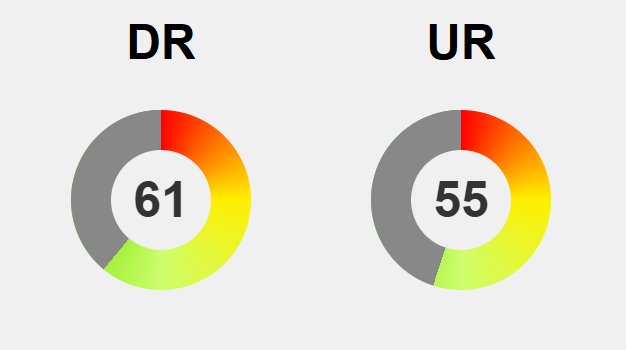
The recent recalibration of Domain Rating (DR) from Ahrefs marks a turning point in how SEO strategies should be approached. Instead of fixating on high scores as a shortcut to authority, marketers are now encouraged to prioritize building genuine trust signals through high-quality, relevant backlinks. This shift pushes SEO efforts toward cultivating relationships with reputable sites within your niche, creating content that naturally attracts authoritative links, and maintaining a backlink profile rooted in authenticity. Such focus aligns with industry standards emphasizing trust and relevance over superficial link volume.
This update also echoes Google’s core emphasis on E-E-A-T—Experience, Expertise, Authority, and Trust. Modern SEO is less about keyword stuffing or quick link hacks and more about demonstrating credibility through valuable, trustworthy content. The recalibration underscores the importance of a long-term mindset, where consistent efforts to produce meaningful content and earn authentic backlinks can lead to sustainable growth and stability in rankings.
Fluctuations in DR should no longer be seen as setbacks but as signals to refine your approach. Regular backlink audits, proactive relationship-building, and ongoing content development become essential components of a resilient SEO strategy. These practices ensure your backlink profile remains healthy and reflective of real authority, helping you weather future algorithm shifts more effectively. Building a trustworthy profile requires patience but delivers lasting results that are resistant to quick fluctuations.
The update also discourages shortcuts like buying low-quality links or engaging in spammy outreach, which are increasingly devalued in the eyes of search engines. Instead, genuine, organic link-building efforts are rewarded, reinforcing the value of authentic relationships and valuable content. This approach not only boosts your DR but also enhances your site’s overall reputation and trustworthiness in the eyes of both users and search engines.
Investing in quality content becomes even more critical under this new paradigm. Creating in-depth guides, original research, and insightful case studies naturally attracts backlinks from relevant, high-authority sources. Such content demonstrates your expertise and authority, making it easier to earn trustworthy links that genuinely elevate your site’s influence. Consistently updating and expanding this content ensures ongoing relevance and backlink opportunities.
Long-term success hinges on viewing SEO as an ongoing process rather than a one-time tactic. By continuously nurturing your backlink profile and focusing on high-value connections, you can build a robust foundation that withstands future updates. This proactive approach helps safeguard your rankings and ensures your authority grows steadily in a landscape that now rewards trust more than volume.
In summary, Ahrefs’ DR recalibration signals a matured, more transparent SEO environment. It favors authenticity, relevance, and trust over shortcuts and manipulative tactics. Embracing this change means shifting your focus from quick wins to sustainable, value-driven growth. By aligning your strategies with these principles, you lay the groundwork for a more credible online presence—one that will stand the test of evolving search engine standards.