In a world where traditional locks and alarms no longer suffice, modern home security has evolved into a sophisticated, interconnected system designed to keep families safe and provide peace of mind. Imagine the power of remote surveillance, smart access controls, and real-time alerts working seamlessly together—yet, how reliable are these advanced solutions amidst cyber threats and technical glitches? This comprehensive overview explores how integrated security systems not only deter intruders but also empower homeowners to respond swiftly from anywhere. From high-definition CCTV cameras and 24/7 monitored alarms to biometric locks and automation, the future of home protection is smarter and more proactive than ever. But with ever-evolving technology comes new challenges—how do families stay protected without compromising security? This guide reveals best practices, expert insights, and future innovations that make home security more resilient, intuitive, and accessible, transforming passive safety measures into active defenses for today’s unpredictable world.
Article Contents
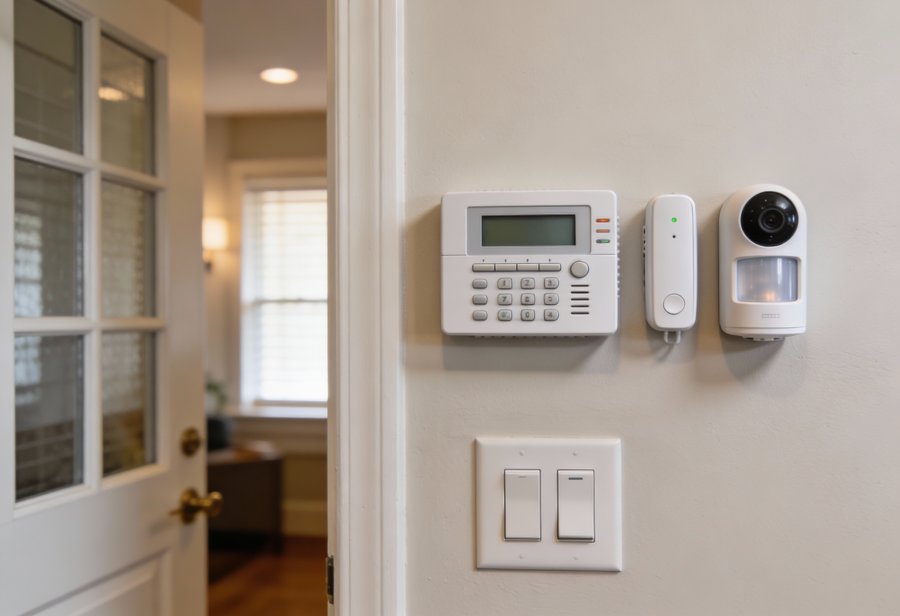
Transforming Home Security with Smarter, Remote-Controlled Systems
Home security has come a long way from simple locks and basic alarms. Today’s homes are equipped with smart, interconnected systems that give homeowners unprecedented control and peace of mind. This transformation reflects not just technological progress but also the changing nature of threats and lifestyles. Modern security solutions are designed to be proactive, intuitive, and seamlessly integrated into daily routines, making safety more accessible and reliable than ever before.
The rise of connected devices means security isn’t just about reacting to an incident—it’s about preventing it. With remote access, homeowners can monitor their property in real-time from anywhere, whether they’re at work, on vacation, or just out running errands. This instant visibility allows for quick responses to suspicious activity, often stopping threats before they escalate. It’s a game-changer for families seeking peace of mind in an unpredictable world.
Integrating cameras, sensors, locks, and alarms into a single network creates a virtual perimeter around your home that’s both smarter and more responsive. These systems can send instant alerts, record footage, and even activate other devices like lights or locks automatically. This layered approach not only deters intruders but also enables rapid, coordinated responses to any incident. The ability to control everything remotely turns passive security into active vigilance.
As these technologies evolve, so do their capabilities. Artificial intelligence and automation are making systems more accurate, reducing false alarms and improving threat detection. Future innovations like drone patrols or fully autonomous security setups promise even greater convenience and safety. The key is that these advancements are accessible now, transforming how families protect what matters most.
However, relying solely on digital solutions isn’t without challenges. Cybersecurity risks, system malfunctions, or internet outages can temporarily compromise your setup. That’s why professional installation, regular updates, and strong security practices are essential. When properly maintained, integrated remote-controlled solutions create a resilient safety net that adapts to today’s fast-changing environment.
Ultimately, the future of home security lies in smarter, more connected environments where technology adapts seamlessly to your needs. These solutions empower families to stay ahead of threats and respond swiftly when it matters most. In a world where unpredictability is the norm, integrated remote-controlled security isn’t just a luxury—it’s a vital tool for safeguarding your home and loved ones.
Fundamental Components that Define Modern Home Security
Modern home security systems are built around a few essential components that work together to provide comprehensive protection. At the core are CCTV cameras, which serve as both a visual deterrent and a tool for remote monitoring. These cameras can be placed inside and outside the home, offering live footage that can be accessed from a smartphone, tablet, or computer. Advanced features like high-definition video, night vision, and motion detection ensure clear images and quick alerts, helping homeowners respond promptly to any suspicious activity.
Alarm systems are another vital element. Today’s models are far more sophisticated than their traditional counterparts, incorporating door and window sensors, motion detectors, glassbreak sensors, and environmental monitors such as smoke or carbon monoxide detectors. These sensors connect to a centralized hub that triggers immediate alerts if something unusual occurs. Many systems are monitored around the clock by professional security teams, ensuring rapid intervention when needed. This blend of technology and human oversight creates a resilient layer of protection that deters intruders effectively.
A relevant discussion appears on Over Strng in Ivy Perez‘s Experience the Future of Home Security Today.
Smart access controls further enhance security and convenience. Keyless locks, keypad entry systems, and biometric options like fingerprint or facial recognition allow homeowners to manage who enters their property and when. These systems can generate temporary access codes for visitors or service providers, while maintaining detailed logs of entries and exits. When integrated with home automation, they enable routines such as automatically locking doors when you leave or granting access remotely, streamlining daily routines without sacrificing security.
The true power of these components lies in their integration into a unified network. Connecting cameras, alarms, and access controls into a single system allows homeowners to oversee their entire security setup remotely through an app. This connectivity enables instant notifications, remote device control, and coordinated responses to incidents. When all elements work seamlessly, they create a virtual perimeter that’s both proactive and reactive, deterring threats and facilitating swift action if needed.
Ensuring that these components operate at their best requires proper installation and regular maintenance. Professional setup guarantees optimal placement and connectivity, while firmware updates and system checks keep everything functioning reliably. Familiarity with the system’s features is essential for quick responses, turning a collection of devices into a cohesive security network. As technology continues to evolve, these core elements will become even smarter and more integrated, offering enhanced protection tailored to modern households.
Enhance Your Security with F.I.S.T Security’s Expertise in Markham, Ontario
F.I.S.T Security is a trusted Canadian-owned and operated security provider based in Markham, Ontario, known for delivering top-tier security solutions. Our comprehensive services include intruder detection, CCTV, intercoms, alarm monitoring, remote video monitoring, lighting, environmental control, and notably, card access. At FIST Security, we take pride in our reputation for excellence and are committed to going the extra mile to meet our clients’ needs. Whether you require a new security system or maintenance, our team ensures reliable and tailored security solutions to protect your assets. Contact us today at 416.755.4233 or email [email protected] to learn how we can secure your property with our professional expertise.
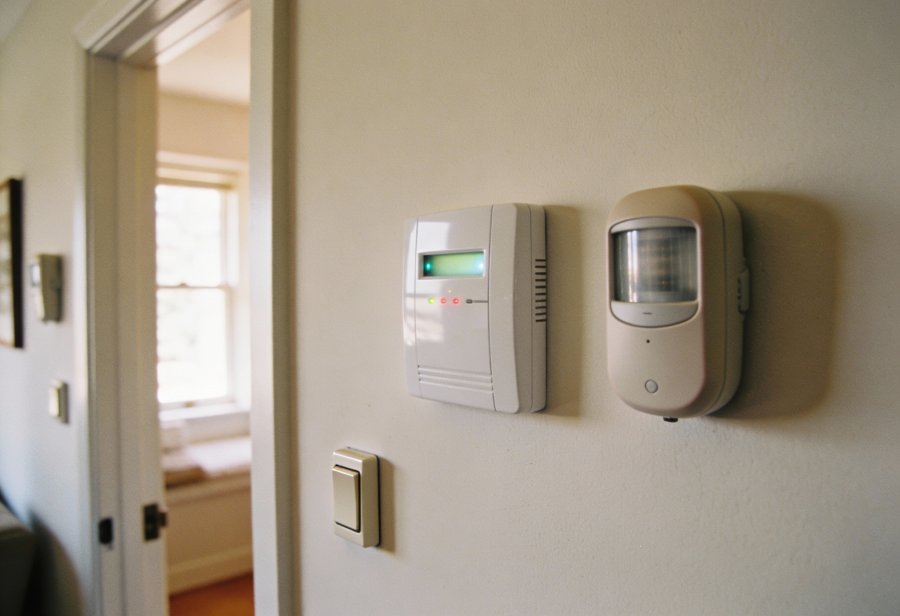
How Remote Control Enhances Safety, Convenience, and Responsiveness
Remote-controlled security systems have revolutionized how families protect their homes by offering immediate, on-demand control and visibility. With just a few taps on a smartphone or tablet, homeowners can monitor their property in real time, whether they’re at work, traveling, or running errands. This constant connection means potential threats can be identified early, often before any damage occurs, turning a passive alarm into an active line of defense. The ability to act swiftly—locking doors, activating alarms, or alerting authorities—puts control firmly in the homeowner’s hands, enhancing both safety and peace of mind.
The convenience of remote management is a game-changer. Instead of rushing home or relying on neighbors to keep an eye out, you can oversee every aspect of your security system from anywhere. Want to check if the front door is locked? Need to grant a visitor temporary access? These simple actions can be done instantly, saving time and reducing stress. Smart access controls like keyless locks and temporary codes make managing entry straightforward, eliminating the need for physical keys and minimizing security risks associated with lost or stolen keys.
Beyond individual controls, integration with other smart home devices amplifies the system’s effectiveness. When an alert is triggered, connected outdoor lights can turn on, cameras can start recording, and locks can secure automatically. This interconnected response not only deters intruders but also ensures rapid, coordinated action without manual intervention. Such automation creates a protective environment that responds proactively, minimizing the window of opportunity for threats and enhancing overall safety.
For additional context, refer to Revolutionizing Home Security with Smarter Remote Solutions, an article by Fred Morgan on The Rubber Room.
While the benefits are clear, it’s important to acknowledge potential limitations. Technical glitches, internet outages, or cybersecurity vulnerabilities can temporarily hinder system performance. However, with proper setup, regular updates, and strong security practices, these risks are manageable. When maintained correctly, remote-controlled security systems become reliable partners in safeguarding your home, providing continuous oversight and swift response capabilities.
In today’s unpredictable world, the ability to manage your home’s security remotely transforms passive safety measures into active, dynamic protection. This approach not only enhances responsiveness and convenience but also empowers families to stay ahead of threats. By integrating remote control with comprehensive security strategies, homeowners gain a flexible, resilient shield—ready to respond at a moment’s notice and adapt to whatever challenges arise.
Expert Insights and Best Practices for Effective Security Implementation
Implementing effective remote-controlled security starts with a clear understanding of your home’s unique needs. Professionals recommend assessing your property’s layout, size, and potential vulnerabilities to select the right combination of cameras, sensors, and access controls. Choosing reputable brands with strong cybersecurity features is crucial, as connected devices are prime targets for cyber threats. Investing in quality equipment from trusted providers ensures your system is both reliable and resistant to hacking attempts.
Proper installation is key. Experienced technicians can optimize device placement and connectivity, ensuring your security network functions seamlessly when it counts. Regular maintenance, including firmware updates and system checks, keeps everything running smoothly and prevents false alarms or malfunctions. Familiarizing yourself with how your devices work allows you to respond quickly and confidently during emergencies, turning a collection of gadgets into a cohesive, effective security system.
Many security experts advocate for professional monitoring services. These teams provide 24/7 oversight, verifying alerts via live footage and coordinating rapid responses. When an intruder triggers an alarm, trained professionals can determine the seriousness of the threat and contact authorities if necessary. This extra layer of oversight often makes the difference in preventing break-ins or minimizing damage, especially when you’re away or busy.
Galaxy Stats offers a relevant article by Madeline Anderson titled Discover How Modern Home Security Protects Your Peace of Mind.
Staying current with emerging security technologies is also vital. Cyber threats evolve rapidly, so regularly reviewing your setup and incorporating new features—like AI-driven threat detection or advanced encryption—can significantly enhance your protection. Consulting with security professionals or attending educational resources helps you adapt to new risks and maintain system effectiveness over time.
While modern solutions are powerful, they are not infallible. Technical glitches, internet outages, or cybersecurity breaches can temporarily compromise your system. That’s why choosing reliable equipment, ensuring proper setup, and maintaining strong security practices are essential. With ongoing vigilance, these systems become resilient tools that support your household’s safety even in unpredictable situations.
Integrating traditional security measures with technology provides a layered defense. Physical locks, neighborhood watch programs, and community awareness complement digital solutions, creating a comprehensive safety net. This approach reduces reliance on any single element and increases overall security resilience.
Finally, the key to maximizing these advanced systems lies in ongoing management. Regular training, updates, and reviews keep your security network responsive and effective. Partnering with trusted professionals ensures your setup adapts to changing threats and technological advances, giving you confidence that your home remains protected in today’s dynamic environment.
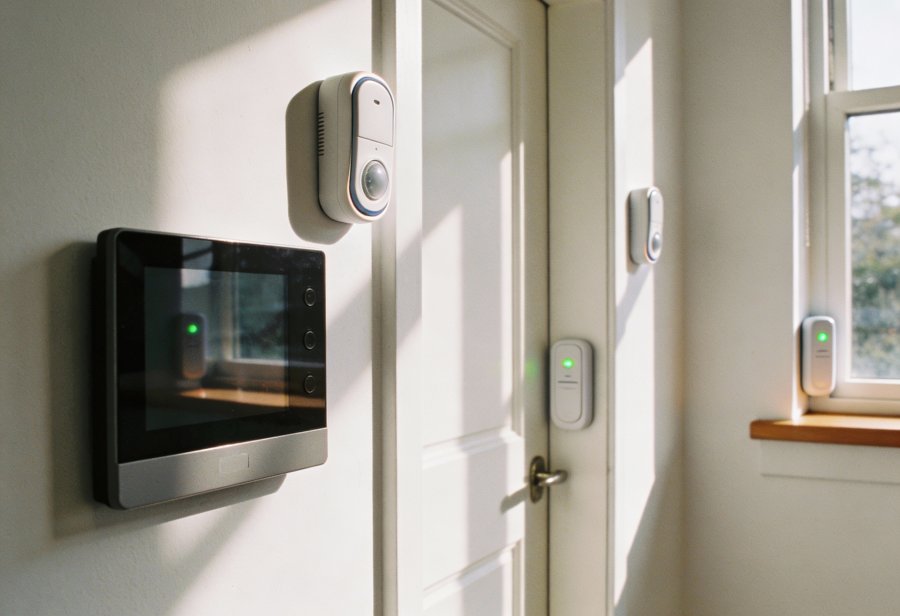
Future Innovations and the Next Frontier in Home Security Technology
As home security technology advances, the possibilities for smarter, more integrated safety solutions continue to grow. Artificial intelligence is already enhancing surveillance by accurately distinguishing between normal activity and genuine threats, reducing false alarms and enabling more precise responses. Future innovations like autonomous drone patrols and fully automated systems promise to create environments where devices communicate seamlessly, reacting instantly to potential dangers without human intervention. These developments will transform homes into intelligent spaces capable of adapting proactively to the unpredictable world outside.
Cybersecurity remains a critical concern as connected devices become more prevalent. Protecting these systems from hacking and data breaches will involve stronger encryption, real-time threat monitoring, and regular updates. The goal is to ensure that security measures are not only effective but also resilient, safeguarding personal information while maintaining high levels of protection. As these technologies become more accessible and affordable, families across different households will be able to benefit from cutting-edge features, making top-tier security more widespread and inclusive.
Home automation is increasingly blending with security systems, creating a comprehensive ecosystem that anticipates and responds to household needs. Imagine a setup that adjusts lighting, locks, and thermostats based on your routines or alerts you to potential threats instantly. This level of integration offers not just enhanced safety but also added convenience, transforming daily routines into seamless, stress-free experiences. Such interconnected environments will help deter threats before they materialize and provide peace of mind through effortless management.
Looking ahead, the focus will shift toward making these advanced security solutions more user-friendly and straightforward to install. Simplified interfaces, clearer instructions, and educational resources will encourage wider adoption, empowering families to confidently embrace new technologies. As affordability continues to improve, even modest households will access sophisticated safety tools, raising overall community resilience and fostering safer neighborhoods.
While these innovations promise significant benefits, they also underscore the importance of ongoing vigilance. No system is foolproof, and cyber threats evolve rapidly. Regular updates, strong passwords, and layered security practices will remain essential to maintaining system integrity. Staying proactive ensures that these advancements truly enhance safety without creating new vulnerabilities, keeping families protected in a digital age.
In essence, the future of home security is about empowering families with smarter, more adaptable tools that respond seamlessly to today’s complex threats. These technologies will make homes more resilient, more intuitive, and easier to manage, providing genuine peace of mind. Staying informed and engaged is key to leveraging these innovations effectively, ensuring safety keeps pace with technological progress and continues to safeguard what matters most.