In an era where communication defines competitive advantage, the evolution from traditional landlines to sophisticated VoIP and cloud-based systems is reshaping business connectivity. Reliable, integrated platforms not only streamline operations but also foster stronger customer relationships and remote collaboration. As organizations embrace features like AI-driven analytics, mobile integration, and top-tier security, the question arises: are these technological advancements merely tools, or are they becoming the very backbone of success? With the promise of 5G, smarter virtual assistants, and proactive analytics on the horizon, businesses stand at a crossroads—adapt now to a rapidly shifting landscape or risk falling behind. This ongoing transformation challenges companies to balance innovation with security while maximizing efficiency. Ultimately, the future of business communication isn’t just about making calls; it’s about how these powerful tools will redefine connection, trust, and growth in a digitally driven world.
Jump To Section
Boost Your Business Communications with FiberConX’s VoIP & IP Phone Solutions
Enhance your Canadian business communications with FiberConX Communications, a leader in sip phone services designed to streamline your operations. Specializing in VoIP and IP business phone services, FiberConX offers features like voicemail, IVR, Ring Groups, and voicemail-to-mail, ensuring you stay connected and responsive. Whether you’re looking to improve customer service or optimize internal communication, their solutions are tailored to meet your needs. Reach out to their expert team at [email protected] or call 1.416.945.9210 to discover how FiberConX can transform your communication infrastructure today.
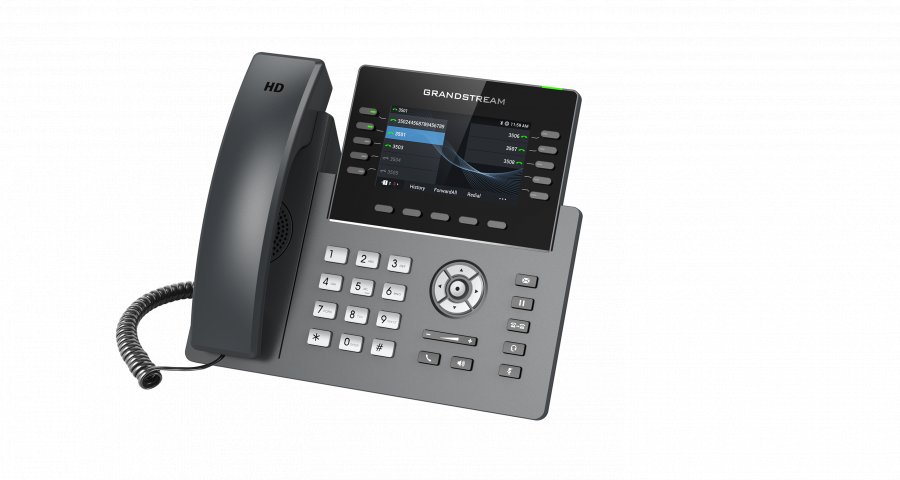
Evolving Business Communication: From Landlines to Cloud-Driven Connectivity
In today’s fast-moving business world, staying connected isn’t just a convenience—it’s a necessity for success. Reliable communication channels ensure that teams can coordinate smoothly, respond swiftly to customer needs, and keep operations running without a hitch. As technology advances, the tools companies rely on are evolving from basic landlines to sophisticated, internet-based systems that offer greater flexibility and scalability.
Traditionally, landline phones served as the backbone of business communication. They provided dependable, straightforward connections but came with limitations: rigid infrastructure, high costs for expansion, and a lack of integration with digital tools. As organizations grew, digital switching systems improved call management, introducing features like voicemail and call waiting but still depended on physical hardware.
The real game-changer arrived with Voice over Internet Protocol (VoIP). By transmitting voice calls over the internet, VoIP drastically reduced costs and unlocked a host of new features, such as video conferencing and instant messaging. This shift enabled seamless integration across multiple channels, allowing remote teams and multi-location offices to connect more effectively than ever before.
Cloud-based platforms further transformed the landscape by offering remote management and effortless scalability. Businesses could now add users or features with a few clicks, without investing in costly hardware. These systems also enhanced security and disaster recovery, rerouting calls if local systems failed and safeguarding sensitive information through encryption and compliance tools.
Security has become a key focus in modern systems. With increasing concerns over data breaches and compliance standards, many business phone solutions now include end-to-end encryption, call recording, and secure storage. These features protect confidential conversations and help organizations meet industry regulations, especially in sectors like finance, healthcare, and legal services.
This technological evolution has reshaped workplace culture as well. Employees now communicate more dynamically, often working remotely or across different locations. Mobile integration and instant messaging foster faster collaboration, making organizations more responsive and agile in today’s competitive environment.
Overall, the progression of business communication technology isn’t just about hardware upgrades; it’s about creating smarter, more integrated systems that empower organizations to operate more efficiently, build stronger relationships, and stay ahead in a rapidly changing digital landscape.
Tracing the Evolution: How Business Phone Technology Became More Flexible and Secure
The evolution of business phone technology reflects a steady march toward more flexible, efficient, and integrated communication systems. In the earliest days, landline phones were the standard, providing reliable voice connections through dedicated physical lines. While dependable, these systems offered limited functionality and required significant infrastructure investments, making them less adaptable as organizations expanded. As companies grew, digital switching systems emerged, improving call management and introducing features like voicemail and call waiting, but they remained reliant on hardware and physical connections.
The real turning point came with the introduction of Voice over Internet Protocol (VoIP) in the early 2000s. By transmitting voice data over the internet, VoIP drastically cut costs and unlocked a range of new capabilities. Organizations could now incorporate video calls, instant messaging, and advanced call routing into their communication mix, creating a more seamless and versatile experience. This technology also enabled remote and multi-location teams to connect effortlessly, breaking down geographical barriers that once limited business operations.
Advancements in digital infrastructure led to the rise of cloud-based platforms, which revolutionized how businesses manage their communication systems. These solutions allowed organizations to operate their phone systems remotely, scaling easily as needed without investing in costly hardware. Cloud platforms also enhanced security and disaster recovery, rerouting calls automatically if local systems encountered issues. This flexibility and resilience proved vital for businesses navigating rapid growth or unpredictable challenges, ensuring consistent connectivity and service continuity.
Security concerns grew alongside technological progress. As sensitive information increasingly moved online, modern systems incorporated end-to-end encryption, call recording, and compliance features. These tools help protect confidential conversations and ensure adherence to industry standards, which is especially critical in sectors like finance, healthcare, and legal services. The focus on security has become integral to the evolution of business phone systems, transforming them from simple communication tools into strategic assets that support trust and regulatory compliance.
Throughout this journey, workplace culture has shifted dramatically. The move from traditional landlines to internet-based systems fostered more dynamic, mobile, and remote communication. Employees now collaborate via smartphones, tablets, and instant messaging, enabling faster decision-making and a more agile workforce. This transformation has reshaped expectations around responsiveness and professionalism, positioning modern communication technology as a key driver of competitive advantage in today’s fast-changing business landscape.

The Modern Market: Trends and Standards Shaping Business Communication Today
Today’s business communication landscape is rapidly evolving, driven by technological innovation and changing organizational needs. Companies now prioritize flexible, integrated platforms that support seamless connectivity across multiple channels. VoIP and cloud-based solutions dominate the market, offering scalable, cost-effective options that adapt to growth and shifting demands. Features like mobile integration, AI-powered analytics, and strong security protocols have become standard, reflecting a focus on both efficiency and safeguarding sensitive data.
Modern organizations expect their communication tools to do more than just handle calls—they need to unify voice, video, messaging, and automation into a single, easy-to-use platform. This integrated approach simplifies workflows, enabling teams to collaborate more effectively regardless of location. As remote and hybrid work models become the norm, reliable, feature-rich systems are essential for maintaining productivity and delivering a professional experience to customers. Instant messaging, video conferencing, and real-time collaboration tools foster faster decision-making and stronger team cohesion.
Security remains a top priority amid increasing cyber threats and stricter regulatory standards. Today’s business phone services incorporate end-to-end encryption, secure call recording, and compliance features that protect confidential conversations and ensure legal adherence. These tools build trust with clients and partners while safeguarding sensitive information, particularly in sectors like healthcare, finance, and legal services. The emphasis on security ensures that communication remains a strategic asset rather than a liability.
Leading technology providers like Cisco, Microsoft, Zoom, and rising players such as RingCentral and 8×8 continue to push the boundaries of innovation. They develop platforms that are not only reliable but also adaptable to future needs. These systems support advanced features like AI-driven call routing, predictive analytics, and automation, making communication smarter and more intuitive. The focus on continuous improvement helps organizations stay competitive in an increasingly digital marketplace, where agility and responsiveness define success.
While these advancements offer significant advantages, they also introduce challenges such as system complexity and potential integration issues. Organizations must choose trusted vendors, invest in staff training, and stay updated on best practices to fully realize these tools’ benefits. When managed effectively, modern communication systems become powerful drivers of operational efficiency, customer satisfaction, and long-term growth, shaping how companies connect, compete, and succeed in today’s fast-paced digital environment.
For businesses seeking reliable and scalable communication solutions, exploring options like voip phone service can be highly advantageous. Such services not only enhance connectivity but also support the advanced features discussed above, ensuring organizations stay ahead in a competitive digital landscape.
Real-World Impact: Practical Applications of Advanced Communication Tools in Business
Modern communication tools are now essential for everyday business operations, transforming how companies serve customers and collaborate internally. Customer service centers, for instance, rely heavily on automated call routing and auto-attendants to manage high call volumes efficiently. These features direct callers to the right departments quickly, reducing wait times and enhancing overall satisfaction. Sales teams benefit from video conferencing and instant messaging to maintain close contact with clients and colleagues, enabling more personal and immediate interactions that foster stronger relationships and faster decision-making.
Small and medium-sized businesses often turn to cloud-based communication platforms for their ease of management and scalability. These systems eliminate the need for costly hardware, allowing entrepreneurs and teams to operate professionally from anywhere. Managing calls, voicemails, and meetings through a single online dashboard simplifies workflows and provides flexibility. This setup supports remote work environments, making it easier to keep teams connected and responsive, regardless of location.
Organizations that have adopted modern communication solutions report tangible improvements. For example, a retail chain that transitioned to a cloud VoIP system combined with automated call routing and video tools experienced reduced operational costs and quicker customer responses. Employees could collaborate across multiple locations seamlessly, creating a more polished and efficient customer experience. Similarly, financial services firms leveraging AI-driven analytics and secure, encrypted lines have improved compliance and built greater trust with their clients, demonstrating the practical benefits of these advanced tools.
Choosing the right communication system depends on understanding specific organizational needs. Features like call forwarding, auto-attendants, and integration with customer relationship management (CRM) platforms are key considerations. Cloud-based platforms are often the best fit for their flexibility and remote management capabilities, but security remains paramount. Look for solutions that include end-to-end encryption and compliance features, especially when handling sensitive data. Proper training and ongoing system reviews are crucial to maximizing the benefits of these tools and ensuring smooth operations.
Despite their advantages, modern communication systems come with challenges. Security vulnerabilities, such as hacking or data breaches, require vigilance and proper safeguards. Technical issues like outages or difficulties with integration can temporarily disrupt workflows if not managed carefully. Selecting reputable vendors, investing in staff training, and staying current with best practices help organizations mitigate these risks. When managed well, these tools significantly boost efficiency, professionalism, and customer satisfaction, making them indispensable for modern businesses aiming to stay competitive.
Incorporating these advanced communication solutions ultimately shapes a more agile, connected organization. They enable faster responses, more personalized customer interactions, and streamlined internal processes. As technology continues to evolve, businesses that effectively implement and manage these tools will find themselves better positioned to adapt, grow, and succeed in an increasingly digital marketplace.

Looking Ahead: The Future of Business Communication Powered by Innovation and Technology
The future of business communication is poised for a transformation driven by rapid technological advancements that will reshape how organizations connect and collaborate. Artificial intelligence will become deeply embedded in communication platforms, offering smarter virtual assistants, predictive call routing, and more insightful analytics. These innovations will streamline workflows, enable businesses to anticipate customer needs, and deliver highly personalized interactions, giving companies a notable edge in competitive markets.
The rollout of 5G networks promises to further accelerate this evolution by providing faster, more reliable connections. This will support real-time, high-quality video collaboration and enhance mobile integration, making remote work seamless and more efficient. Teams will be able to hold high-definition video calls and instant messages without delays, regardless of their location, fostering stronger collaboration and quicker decision-making in hybrid or fully remote environments.
As these technologies develop, security will remain a top priority. Expect widespread adoption of advanced encryption methods, biometric authentication, and end-to-end security protocols. Protecting sensitive conversations and customer data will be essential to maintain trust and meet regulatory standards, especially in sectors like healthcare, finance, and legal services. Strengthening security measures will be crucial as organizations handle more information digitally and face increasing cyber threats.
Integrated communication systems will become more sophisticated, combining voice, video, messaging, and AI-driven tools into a unified platform. These systems will simplify workflows by providing a single, intuitive interface, reducing the need to juggle multiple applications. This integration will support a more agile and efficient workforce, enabling employees across locations and time zones to collaborate effortlessly and deliver consistent, professional experiences to customers.
Looking ahead, virtual assistants will handle routine inquiries, freeing human agents to focus on complex tasks. Predictive analytics will help organizations proactively address customer issues and personalize services before problems escalate. These advancements will make interactions more intelligent, responsive, and adaptive, transforming communication from reactive to proactive.
Adapting to these changes will require organizations to stay agile, invest in scalable systems, and foster a culture of continuous learning. Early adoption of innovative tools will position companies to meet future demands, operate more efficiently, and maintain a competitive edge. Embracing this ongoing evolution in business communication means not just keeping up but actively shaping how connections are made in a fast-changing digital world.