Are probiotics a universal solution for gut health or only beneficial in specific circumstances? This insightful overview reveals that while probiotics—live “good bacteria”—can support digestion, immunity, and mood, their effects are highly strain-specific and vary based on individual needs. Found in foods like yogurt and kimchi or through supplements, they often serve as short-term aids during recovery from illness, antibiotics, or stress. But are they truly necessary for everyone, or simply a temporary fix? The key lies in understanding when and how to use them wisely, emphasizing quality and purpose rather than habitual intake. Emerging research hints at a future where personalized probiotic treatments could revolutionize wellness, tailoring strains to each microbiome’s unique profile. For now, probiotics are best viewed as supportive tools—powerful, but not cures—whose ongoing development promises smarter, more targeted health strategies. Are you leveraging these microbes effectively, or risking overuse without real benefit?
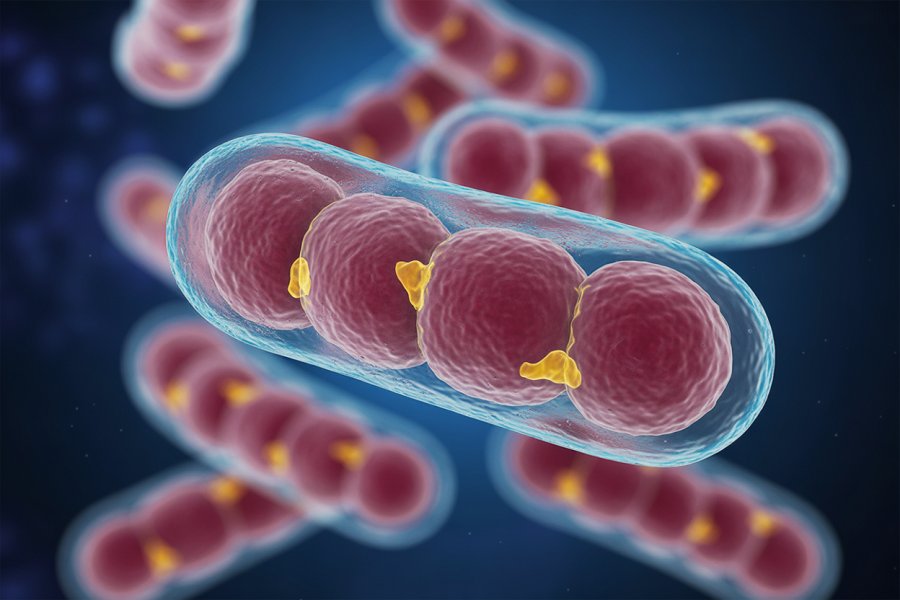
Unlocking Gut Health: The Power of Probiotics
Probiotics are live microorganisms, commonly known as “good bacteria,” that support your digestive health when included in your diet or supplements. These beneficial microbes naturally reside in our bodies and help maintain a balanced and resilient gut microbiome. Found in foods like yogurt, kefir, sauerkraut, and kimchi, as well as in dietary supplements, probiotics promote diversity among gut bacteria, which is key to overall well-being.
Supporting gut health extends beyond simply aiding digestion. A balanced microbiome is linked to a stronger immune system, better nutrient absorption, and even mood regulation. When beneficial bacteria dominate, they can outcompete harmful microbes, reducing issues like bloating, irregularity, and infections. However, this delicate balance can be upset by factors such as poor diet, stress, illness, or antibiotics, creating a need to support recovery through probiotics.
The benefits of probiotics aren’t universal. They depend heavily on the specific strains used, your individual health, and lifestyle factors. Some strains, like Lactobacillus rhamnosus or Bifidobacterium bifidum, have been studied for their roles in easing digestive issues or boosting immunity, but not all probiotics work equally well. Often, their effects are mild or short-lived, especially if your overall diet and habits don’t support a healthy microbiome.
It’s crucial to recognize that probiotics are not a cure-all. Low-quality products or overuse can lead to side effects such as gas or bloating. Many bacteria strains are sensitive to heat, moisture, and light, which can compromise their effectiveness if not stored properly. Additionally, taking probiotics without addressing broader lifestyle factors limits their potential benefits.
Probiotics tend to be most useful during specific moments—such as after illness or antibiotics, during stressful periods, or when experiencing digestive discomfort. They are generally a short-term support tool rather than a permanent fix. For those who consume fermented foods regularly, additional supplements may be unnecessary, as natural sources often provide sufficient support for gut health.
Understanding what probiotics are not is equally important. They are not antibiotics and do not treat infections directly. Instead, they serve as allies to help replenish beneficial bacteria after disruptions, supporting your microbiome’s recovery. Their role is supportive, best combined with a diet high in fiber and fermented foods that nourish your gut bacteria, ensuring a more resilient and balanced microbiome over time.
Probiotics Unveiled: Benefits and Limitations
Probiotics are often praised for their ability to support a healthy balance of beneficial bacteria in the gut. When the microbiome is disrupted—such as after taking antibiotics or during illness—adding probiotics can help speed up recovery by replenishing helpful microbes. Certain strains, like Lactobacillus rhamnosus or Bifidobacterium bifidum, have been studied for their roles in easing digestive issues or strengthening immunity. However, not all probiotics are created equal; their effects depend heavily on the strains used, their potency, and individual health conditions.
The benefits of probiotics tend to be mild and often short-term. For many, they can help reduce bloating, improve regularity, and restore comfort after disruptions. But these effects usually fade without ongoing lifestyle or dietary changes. Since the impact varies depending on the strains and your unique microbiome, what works for one person might not work for another. This makes selecting the right probiotic a bit of a trial—and error—process.
While probiotics can be helpful, they’re not a cure-all. Using low-quality products or overdoing it can lead to side effects like gas, bloating, or mild stomach upset. Some people notice initial discomfort when starting new supplements, which often passes as their gut adjusts. Choosing reputable brands with well-documented strains and proper storage is essential—many bacteria are sensitive to heat or moisture and can become ineffective if mishandled. Without quality assurance, the microbes may not survive transit or storage, reducing benefits.
Probiotics are most effective during particular moments—such as after antibiotics, during stressful periods, or when experiencing digestive discomfort. They’re typically used short-term to help restore balance rather than as a routine supplement. For those already consuming fermented foods like yogurt or sauerkraut regularly, additional supplementation might be unnecessary. The key is to support your microbiome through diet and lifestyle habits that promote diversity and resilience.
It’s also important to distinguish probiotics from antibiotics. While antibiotics aim to kill harmful bacteria causing infections, they often wipe out both bad and good microbes, leaving the gut vulnerable. Probiotics serve as allies to replenish beneficial bacteria after such disruptions, supporting recovery rather than directly treating infections. They’re best seen as a supportive measure during the healing process.
The effects of probiotics can vary widely depending on the strains, dosage, and individual factors. Many benefits are modest and temporary, especially if broader habits aren’t addressed. They work best when tailored to specific needs—like after illness or during digestive upset—rather than as a daily fix for everyone. Being mindful of their limitations helps ensure you get genuine benefits without unnecessary side effects.
Used thoughtfully, probiotics can be a helpful addition to a balanced diet and healthy lifestyle. They support your gut’s recovery and resilience during vulnerable moments, but they’re not a substitute for good nutrition or medical treatment when needed. Choosing quality products, targeting their use, and maintaining realistic expectations will maximize their potential to support your gut health effectively.

Making Smart Choices About Your Probiotic Journey
Deciding whether to add probiotics to your routine starts with understanding your specific health needs. If you’re recovering from an illness, taking antibiotics, or dealing with ongoing digestive issues, probiotics might offer some support. For those who already enjoy a diet rich in fermented foods like yogurt, kefir, or sauerkraut, additional supplements may not be necessary. The key is to assess your situation honestly and avoid jumping on trends without a clear purpose.
Choosing the right probiotic product can feel overwhelming given the variety available. Look for labels that specify the strains included, such as Lactobacillus rhamnosus or Bifidobacterium bifidum, and check whether these strains have been studied for your particular concern. The number of bacteria, or CFUs, is also important—aim for at least a billion CFUs, but remember that higher counts aren’t always better if the strains aren’t effective or viable. Prioritize brands that follow good manufacturing practices and provide transparent, detailed information.
Timing and duration matter. If you’re on antibiotics, starting probiotics immediately afterward can help restore beneficial bacteria. For general maintenance, a few weeks of daily use might suffice. Pay close attention to how your body responds—initial gas or bloating is common but usually temporary. After your digestion stabilizes, you might reduce intake or rely more on fermented foods. This approach ensures you’re supporting your gut without overdoing it.
Pair probiotics with a diet that promotes gut health—think plenty of fiber, fruits, vegetables, and other fermented foods. These natural sources nourish beneficial bacteria, helping sustain their presence and diversity over time. Relying solely on supplements without improving your overall eating habits limits their effectiveness. Probiotics work best as part of a broader strategy that includes good nutrition and lifestyle choices.
Be cautious about continuous, unthinking use. Taking probiotics daily without breaks or in excessive amounts can lead to diminishing returns or mild discomfort. Proper storage is equally crucial—heat, moisture, and sunlight can kill the bacteria, rendering your supplement ineffective. Always select high-quality products from trusted sources, follow storage instructions carefully, and monitor how your body reacts. This mindful approach ensures you get the most benefit without unnecessary side effects.
Use probiotics during specific moments when they’re most helpful—after antibiotics, during periods of stress, or when experiencing digestive discomfort. They’re most effective as a short-term support rather than a daily routine for everyone. Listening to your body and adjusting your intake accordingly helps maximize their benefits. When used thoughtfully and targeted, probiotics can be a valuable part of a balanced, health-conscious lifestyle.
Practical Tips to Incorporate Probiotics Into Your Daily Life
Getting started with probiotics doesn’t need to be complicated. For most beginners, adding probiotic-rich foods into your daily meals offers a simple, effective way to support your gut health. Yogurt, kefir, and other fermented dairy products are convenient options that can easily slip into breakfast or snacks, providing beneficial strains like Lactobacillus and Bifidobacterium without extra effort. Sprinkling a spoonful of sauerkraut or kimchi onto salads or sandwiches adds flavor and natural probiotics, making your diet more diverse and gut-friendly.
If you prefer supplements, opt for reputable brands that clearly label their strains and CFU counts. Look for products with strains supported by scientific research for your specific needs, such as Lactobacillus rhamnosus if you’re aiming to improve digestion. Make sure to check storage instructions—most probiotics require refrigeration to keep the bacteria alive and effective. Starting with a lower dose and gradually increasing can help your body adapt, reducing initial issues like gas or bloating. Consistency is key; taking probiotics daily for a few weeks helps establish beneficial bacteria, especially after disruptions like illness or antibiotics.
Pair probiotics with a diet rich in fiber, fruits, vegetables, and fermented foods. These foods naturally nourish and sustain the beneficial bacteria in your gut, making probiotic benefits last longer. Relying solely on supplements without supporting your microbiome through healthy eating limits their effectiveness. Think of probiotics as part of a bigger picture—complemented by good nutrition, regular exercise, sufficient sleep, and stress management. This holistic approach enhances your chances of maintaining a resilient and diverse gut microbiome.
Be mindful of overdoing it. Taking probiotics continuously without breaks or in excessive amounts may lead to diminishing returns or mild discomfort, such as bloating. Proper storage is equally important—exposing probiotics to heat, moisture, or sunlight can kill the bacteria, rendering your supplement ineffective. Always choose high-quality products from trusted sources and follow storage instructions carefully. Monitoring how your body responds will help you adjust your intake and avoid unnecessary side effects.
Use probiotics during specific moments when they’re most likely to help. After a course of antibiotics, during stressful periods, or when experiencing digestive discomfort, short-term use can support your gut’s recovery. They’re most effective as a temporary aid rather than a daily routine for everyone. Pay attention to your body’s signals—if you notice persistent discomfort or no improvement, consult a healthcare professional for personalized guidance. This targeted approach ensures you get real benefits without waste or unwanted side effects.
Incorporating probiotics thoughtfully into your routine supports your gut health without overreliance. When combined with a balanced diet and healthy habits, they can enhance your resilience and digestion. Remember, probiotics are a supportive tool, not a cure-all, so use them with purpose and awareness. With careful selection, timing, and moderation, you can maximize their benefits and foster a healthier, more balanced gut over the long term.
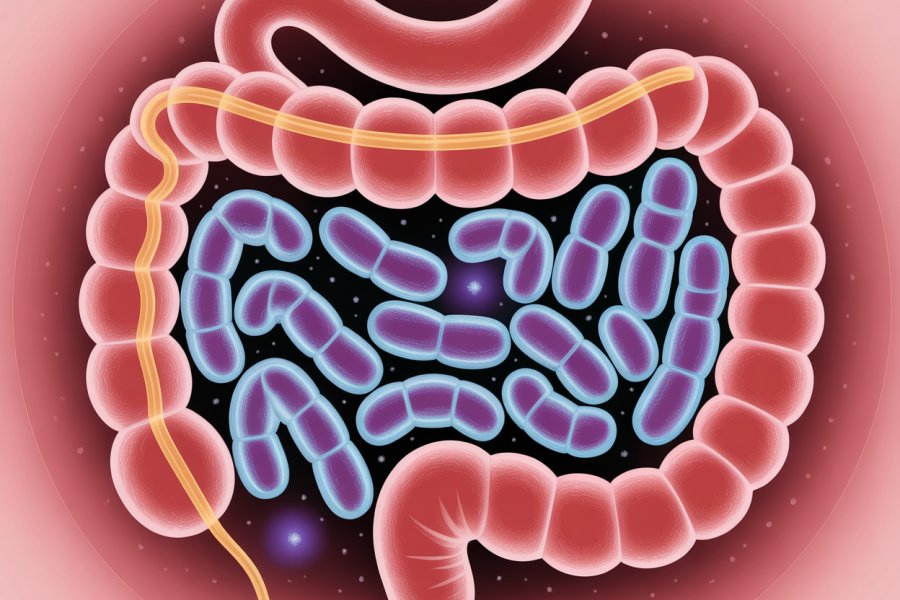
Looking Ahead: The Future of Probiotics and Gut Wellness
Research into probiotics is advancing quickly, revealing new strains, improved delivery methods, and personalized approaches that could dramatically enhance their effectiveness. Scientists are exploring how specific probiotic strains interact with individual microbiomes, paving the way for tailored treatments that align with each person’s unique gut composition. This shift toward personalized probiotics promises better results and fewer wasted efforts on strains that don’t suit an individual’s needs.
Future developments may focus on improving strain stability, extending benefits beyond digestion, and integrating probiotics into broader health strategies. Some research is examining strains that could support mental health, reduce inflammation, or bolster immune function, expanding probiotics’ potential influence on overall well-being. These innovations could lead to products designed for specific conditions rather than a one-size-fits-all approach, making probiotic use more targeted and effective.
As these breakthroughs unfold, staying informed will be key for consumers and healthcare providers alike. The coming years are expected to bring formulations customized for age, health status, or microbiome composition, increasing both safety and efficacy. Such advancements could help avoid unnecessary supplementation and reduce the risk of side effects, ensuring that probiotic interventions are both smarter and safer.
Despite rapid progress, some core principles remain clear. Probiotics tend to be most beneficial when used to address specific needs, like recovery after illness or temporary digestive issues. They aren’t magic bullets for every gut problem and should complement a balanced diet and healthy lifestyle. Targeted use, quality products, and realistic expectations will continue to be essential for maximizing their benefits.
Looking ahead, the potential for probiotics to support mental health, immune resilience, and metabolic balance is promising. As research uncovers how different strains influence various bodily systems, we may see a new wave of wellness products that go beyond gut support. Making these innovations accessible and practical will be the challenge—and an opportunity—to improve health outcomes on a larger scale.
For now, approaching probiotics with a cautious, informed mindset remains wise. They are a supportive tool, not a cure-all, and their benefits are most reliable when used thoughtfully. Combining emerging science with a focus on individual needs ensures that probiotic use remains effective, safe, and aligned with overall health goals.
By integrating current knowledge with ongoing research, we can develop smarter ways to use probiotics. Emphasizing targeted, evidence-based applications helps avoid hype and sets realistic expectations. As the science matures, personalized approaches will likely become the standard, offering more precise and meaningful support for gut health and beyond.