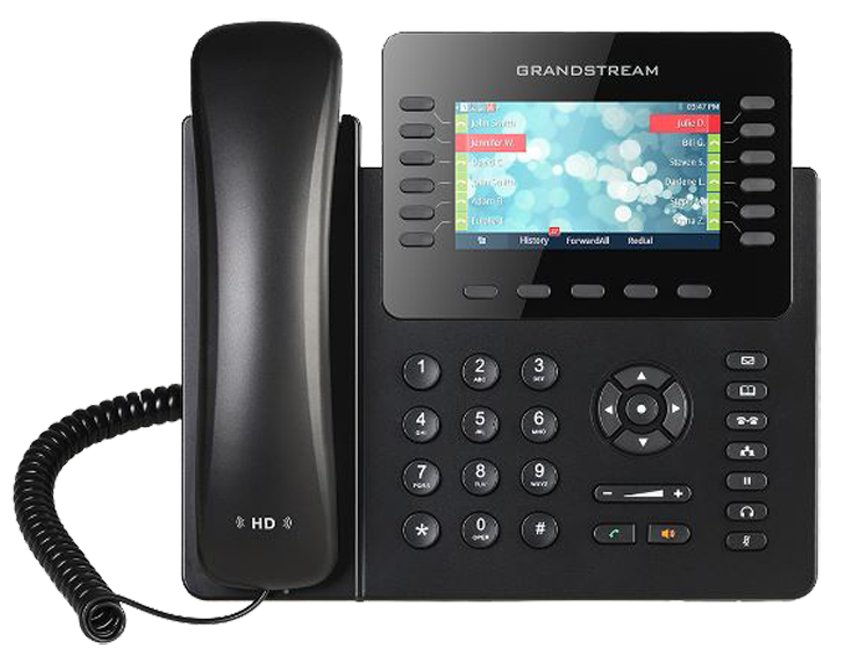
Contrary to popular belief, traditional landlines still play a vital role in modern business communication, but the landscape is rapidly evolving. Today’s organizations rely on advanced, internet-based solutions like VoIP and cloud platforms that offer unprecedented flexibility, scalability, and cost savings. These innovations enable seamless integration of voice, video, and messaging across remote teams and mobile devices—reshaping customer interactions and internal workflows alike. As businesses embrace automation, AI-driven virtual assistants, and real-time analytics, they unlock smarter, more responsive communication channels. But what does the future hold as 5G, IoT, and enhanced security measures come into play? Will these technologies merely augment existing systems or transform them entirely? Staying ahead requires strategic adaptation, continuous innovation, and a keen understanding of evolving tools that promise not just connectivity but resilience, security, and competitive advantage in an increasingly digital world.
Article Contents
Revolutionize Your Business Communication with FiberConX’s VoIP Solutions
Enhance your company’s connectivity with business phone services offered by FiberConX Communications in Canada. Specializing in VoIP and IP business phone solutions, FiberConX provides advanced features such as voicemail, IVR, ring groups, and voicemail-to-mail, ensuring seamless communication for your team. Whether you’re looking to streamline customer interactions or improve internal collaboration, their reliable services are tailored to meet your needs. Contact their sales team at [email protected] or call 1.416.945.9210 to learn how FiberConX can transform your business communication infrastructure.
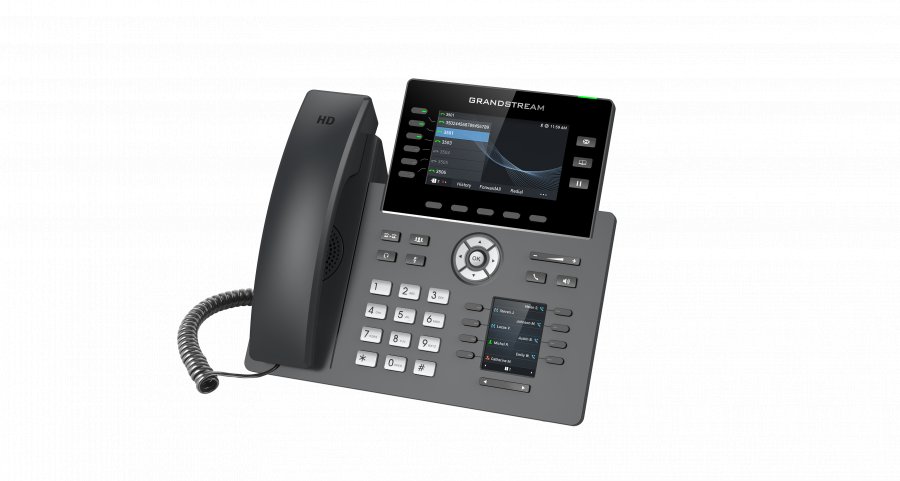
Transforming Business Connectivity with Modern Phone Systems
Effective communication is the foundation of any successful business. In today’s fast-paced, digital world, how companies connect with clients, partners, and employees can make or break their growth and reputation. The tools and technologies behind these connections have evolved rapidly, reshaping the way we work and interact. No longer are simple landlines enough to meet the demands of modern organizations. Instead, sophisticated phone services now support seamless, multi-channel communication that is flexible, reliable, and scalable.
Modern business phone systems do much more than just facilitate voice calls. They integrate voice, video, messaging, and mobile access into unified platforms that keep teams connected regardless of location. This shift is driven by the need for agility—remote workers, traveling staff, and distributed teams all require tools that adapt effortlessly to their workflows. Internet-based solutions like VoIP have become popular because they are cost-effective, easy to manage, and capable of supporting a growing number of features.
These technological advances do more than improve connectivity; they project a professional image that customers expect. Features such as auto-attendants, call routing, and personalized greetings streamline customer interactions and reduce wait times. Small businesses, in particular, benefit from these tools, which allow them to appear larger and more established without significant upfront investment. They enhance customer experience while reinforcing brand credibility.
Scalability is another key advantage of modern phone services. As companies expand, adding new lines or extensions becomes a straightforward process managed through online dashboards. This flexibility helps organizations respond swiftly to changing needs without the disruptions or costs associated with traditional hardware upgrades. Cloud-based platforms also offer robust disaster recovery options—calls can be rerouted instantly if hardware fails, minimizing downtime and maintaining business continuity.
Security and compliance have become integral to effective communication. Modern systems include encryption, call recording, and data protection features that safeguard sensitive information. These tools help organizations meet industry regulations and build trust with clients and partners. As cyber threats grow more sophisticated, having a secure communication infrastructure is essential for maintaining credibility and safeguarding data.
Video conferencing, integrated directly into phone platforms, has revolutionized remote collaboration. Teams can hold face-to-face meetings, share screens, and work together in real time—often within the same interface used for calls and messaging. This integration reduces the need for multiple tools, streamlines workflows, and keeps everyone connected, no matter where they are.
From basic voice calls to comprehensive, multi-channel platforms, modern business phone services are transforming professional connectivity. They support growth, professionalism, and resilience in an increasingly digital world. Embracing these innovations now positions companies to stay competitive, build stronger relationships, and navigate future challenges with confidence.
From Landlines to Digital Innovation: The Evolution of Business Communication
The way businesses communicate has undergone a profound transformation over the past few decades. In the early days, reliance on traditional landline phones meant that communication was limited to fixed devices in the office. These landlines were dependable but came with clear limitations—they tethered employees to a single location and offered minimal features beyond basic voice calls. As companies sought more flexibility, features like voicemail and call forwarding emerged, but they often remained clunky and lacked automation, making scaling and adapting to growth challenging.
The digital revolution brought significant improvements. Digital systems introduced functionalities such as voicemail-to-email, automated call handling, and improved management tools. However, these still depended heavily on dedicated hardware and fixed lines, which could be costly and complex to upgrade as businesses expanded. The need for more adaptable, cost-effective solutions became evident, prompting a shift toward internet-based alternatives.
The real turning point arrived with the advent of Voice over Internet Protocol, or VoIP. By transmitting voice calls over the internet, VoIP drastically reduced costs, especially for long-distance and international conversations. It also offered unprecedented flexibility—adding lines and extensions became a matter of software configuration rather than hardware installation. This technological leap made it easier for organizations to scale their communication networks without the need for extensive infrastructure upgrades.
Cloud-based platforms then took the stage, further enhancing flexibility. These platforms enable companies to manage their entire phone system remotely via online dashboards. Adding or removing users, updating features, and adjusting configurations can all be done instantly, supporting rapid growth and shifting operational needs. Features like auto-attendants and intelligent call routing became standard, automating customer interactions and improving service efficiency while reducing operational costs.
Further reading is available in Transforming Business Communication with Future-Ready Phone Solutions, authored by Kie Russell for EGK Professional Associates.
Mobile integration marked another leap forward. Employees could now stay connected through smartphones, whether they were in the office, traveling, or working remotely. Features such as call forwarding, presence status, and seamless synchronization ensured that teams could respond promptly from anywhere, supporting the rise of remote and hybrid work models. This mobility became essential for maintaining productivity and responsiveness in an increasingly flexible work environment.
Throughout this evolution, security and compliance gained paramount importance. Modern digital systems incorporate encryption, call recording, and data protection measures, helping organizations safeguard sensitive information and meet industry regulations. These advancements address the vulnerabilities introduced by internet-based communication, ensuring that business interactions remain private, trustworthy, and compliant with evolving standards. The journey from landlines to digital, internet-based systems reflects a relentless pursuit of greater flexibility, security, and efficiency in business communication.

Navigating Today’s Business Phone Technologies: Features, Flexibility, and Security
The landscape of business phone technologies today is more vibrant and adaptable than ever before. Cloud-based platforms have become the norm, offering organizations unmatched flexibility and scalability. With these systems, adding or removing lines, updating features, or managing entire networks can be handled easily through intuitive online dashboards. This ease of management allows companies to respond swiftly to growth or shifting operational needs without the complications and costs of traditional hardware upgrades.
Mobile integration is now a core component of modern business communication. Employees can stay connected via smartphones, whether they are in the office, on the road, or working remotely. Features like call forwarding, presence status, and seamless synchronization ensure that teams remain responsive regardless of location. This mobility not only supports remote work but also enhances overall agility, enabling organizations to operate more efficiently and deliver better service to their customers.
Advanced auto-attendants and intelligent call routing have transformed customer interactions. Modern auto-attendants can provide personalized greetings, handle complex menu options, and even utilize AI to understand caller requests. Call routing algorithms now leverage real-time data and caller history to direct inquiries swiftly and accurately. These improvements reduce wait times and ensure callers reach the right person, elevating the customer experience and streamlining internal workflows.
Video conferencing has become seamlessly integrated into business phone systems, revolutionizing remote collaboration. Teams can hold face-to-face meetings, share screens, and work together in real time—often within the same platform used for calls and messaging. This integration minimizes the need for multiple tools, simplifies workflows, and keeps everyone connected regardless of their physical location. As a result, remote and hybrid teams can collaborate as effectively as those in the office.
For another take on this topic, see Ike Collins‘s article Transform Your Business Communication with Cutting-Edge Phone Solutions on Inspyro.
Security features have advanced to meet the demands of digital communication. Encryption, call recording, and secure user authentication are now standard, helping organizations protect sensitive data and meet industry regulations. These tools are vital as cyber threats grow more sophisticated, ensuring that business interactions remain confidential and trustworthy. A secure system not only safeguards information but also builds confidence among clients and partners.
Overall, the current state of business phone technologies emphasizes flexibility, security, and a superior customer experience. These tools support organizational growth, improve operational efficiency, and prepare companies for future innovations. As technology continues to evolve, businesses that embrace these features position themselves to stay competitive, resilient, and connected in an increasingly digital world.
Harnessing Cutting-Edge Applications and Trends in Business Phone Services
To make the most of current and emerging phone service innovations, businesses should start by clearly understanding their unique communication needs. Whether it’s enhancing customer interactions, supporting remote teams, or streamlining internal workflows, identifying these priorities helps in selecting features like mobile integration, auto-attendants, or intelligent call routing that align with strategic goals. Engaging stakeholders early—such as IT, customer service, and management—ensures the chosen solutions fit seamlessly into existing systems and workflows.
Testing options through demos or trial periods can reveal how well new features perform in real-world scenarios. This step helps identify usability issues or compatibility concerns before making a full switch. Rolling out solutions gradually minimizes disruption and encourages staff adoption, especially when combined with comprehensive training that highlights the benefits of new tools. When employees understand how to leverage these features, organizations see faster returns on their investments.
Innovations like AI-driven virtual assistants and advanced analytics are opening exciting possibilities. AI-powered chatbots can handle routine inquiries, freeing staff to focus on more complex or high-value tasks. Meanwhile, real-time call analytics provide insights into customer preferences, operational bottlenecks, or service gaps, enabling organizations to tailor their approach and improve overall performance. These tools make communication smarter and more responsive, turning data into actionable strategies.
Preparing for integration challenges is crucial. Compatibility with existing systems, vendor support, and scalability determine how smoothly new technologies are adopted. Prioritizing security features—such as encryption, multi-factor authentication, and secure APIs—protects sensitive information in an increasingly digital landscape. These safeguards not only ensure compliance but also build trust with customers and partners, reinforcing the organization’s reputation.
Cay Klaire offers a relevant article by Oliver Wright titled Revolutionizing Business Communication with Next-Gen Phone Services.
Staying ahead of industry trends involves continuous monitoring and proactive engagement. Subscribing to updates, participating in user communities, and maintaining strong vendor relationships help organizations remain informed about new features and best practices. Regularly reviewing and updating communication setups ensures they evolve with changing needs, maximizing ROI and operational resilience.
Embracing these innovations early can give organizations a competitive edge. From seamless multi-channel connectivity and automation to enhanced security, modern phone services are transforming how businesses build relationships and operate efficiently. By integrating emerging technologies thoughtfully, companies can adapt to future challenges with confidence, turning communication into a strategic advantage rather than just a necessity.
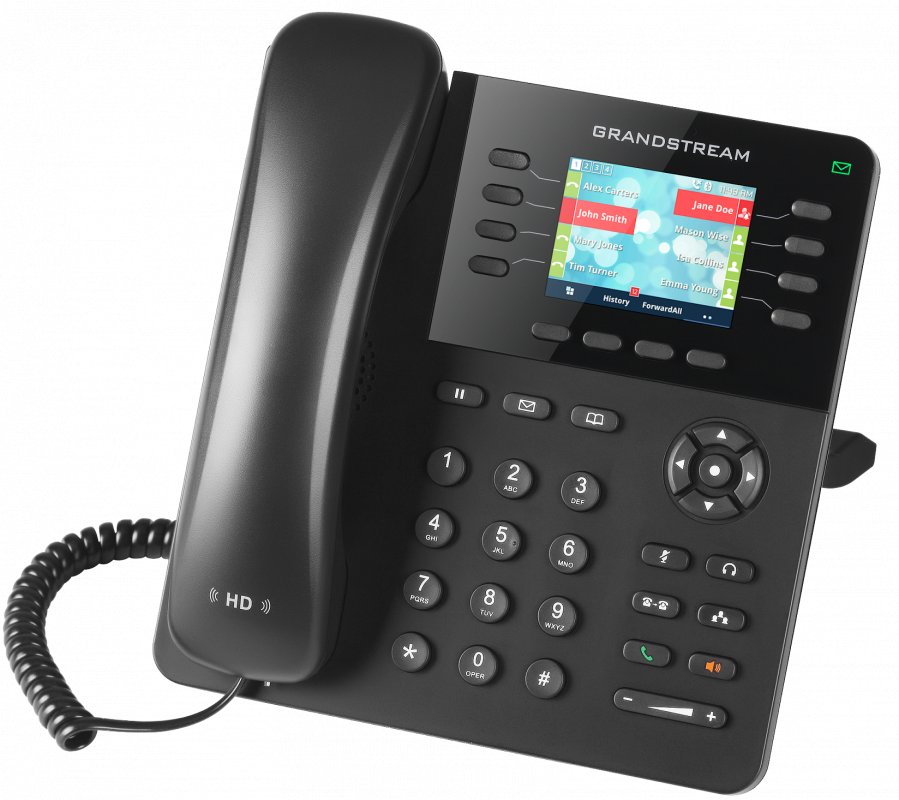
Looking Ahead: Future Innovations Shaping Business Communication
The future of business communication is set to be shaped by continuous technological advances that make connectivity faster, more secure, and more intelligent. As 5G networks expand globally, organizations will enjoy higher data speeds and lower latency, enabling real-time collaboration and more reliable remote interactions. These improvements will support seamless high-quality video, instant messaging, and integrated platforms that unify multiple communication channels into a single, cohesive experience.
Artificial intelligence is poised to further revolutionize how businesses engage with customers and manage internal workflows. Virtual assistants and chatbots will handle routine inquiries more efficiently, freeing up staff for complex, high-value tasks. Meanwhile, AI-powered analytics will provide deep insights into call patterns, customer preferences, and operational bottlenecks, allowing companies to optimize services and workflows continuously. This level of personalization and automation will elevate customer experiences and operational resilience alike.
Security concerns will remain a top priority, driving innovations in encryption, multi-factor authentication, and blockchain solutions to ensure data integrity and privacy. As cyber threats grow more sophisticated, future communication systems will incorporate advanced safeguards that protect sensitive information without sacrificing ease of access. These developments will help organizations maintain compliance, foster trust, and safeguard their reputation in an increasingly digital environment.
The integration of Internet of Things devices will open new avenues for proactive communication. Imagine smart office environments where sensors detect issues or needs and automatically trigger alerts or responses through the communication system. These interconnected ecosystems will streamline operations, reduce response times, and create more resilient, adaptive business models capable of responding swiftly to changing conditions.
Staying ahead in this rapidly evolving landscape requires organizations to be proactive. Regularly reviewing and updating communication infrastructure ensures they remain aligned with emerging technologies and industry standards. Investing in flexible, scalable systems now will future-proof operations, allowing companies to adapt quickly to new challenges and opportunities. Embracing innovation early turns these advancements into strategic assets that enhance competitiveness and resilience.
The ongoing evolution of business communication will also demand a focus on user experience. Intuitive interfaces, seamless integrations, and personalized features will become essential for maximizing adoption and efficiency. Companies that prioritize these aspects will find it easier to implement new tools and foster a culture of continuous improvement, turning technology into a catalyst for growth.
As these innovations unfold, organizations will increasingly view their communication systems as strategic assets—integral to customer relationships, employee productivity, and overall agility. The ability to adapt swiftly to technological shifts will define future success, making resilience and innovation key drivers of competitive advantage. In this landscape, those who embrace change early will be better positioned to thrive amid the uncertainties of tomorrow’s digital world.