Are temporary backlinks from online marketplaces truly harmless, or do they secretly undermine your SEO efforts over time? Many website owners are tempted by quick-fix promises from platforms like Fiverr and SEOClerks, where cheap backlinks seem like an easy shortcut to higher authority. But beneath the surface lies a cycle of short-lived gains—links that vanish within weeks or months after inflating your metrics temporarily. This unstable approach not only hampers genuine growth but also risks triggering search engine penalties, damaging your credibility. The real question is, how can you build a resilient, sustainable backlink profile? The answer lies in creating valuable content, nurturing authentic relationships, and maintaining a technically sound website. Long-term success hinges on patience, relevance, and authenticity—qualities that forge trust and steady authority in a volatile digital landscape. Are fleeting shortcuts worth risking your site’s future, or is a committed, strategic approach the true path to lasting SEO success?
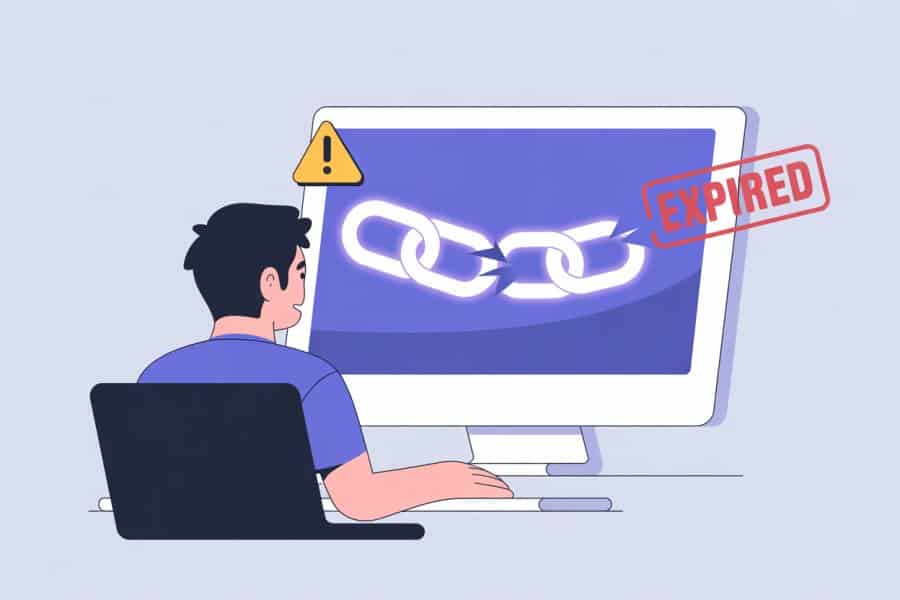
Unlocking the Secrets of Marketplace Backlinks: Benefits and Hidden Pitfalls
In recent years, online marketplaces like Fiverr, SEOClerks, and others have become popular spots for buying SEO services, especially backlinks. These platforms connect website owners with freelancers or agencies offering packages that claim to boost search rankings quickly and cheaply. It’s tempting: browse options, compare prices, and pick a deal that promises quick results. Many sellers advertise fast delivery and guaranteed improvements, making it an attractive shortcut for those eager to see their site climb the search results ladder.
What makes these marketplaces appealing isn’t just their convenience but the variety of options available at different price points. You can find packages that promise hundreds of backlinks from high-authority sites or niche blogs, often with minimal effort on your part. The idea is straightforward: for a modest investment, you can buy your way to a stronger authority score, giving the impression that your site is gaining credibility organically. This approach is especially tempting for small businesses or bloggers looking for rapid growth.
However, behind the scenes, not all backlinks from these platforms are created equal. Many are generated through automated systems, rented link farms, or private blog networks designed solely to inflate metrics temporarily. These links are often placed on low-quality, irrelevant, or spammy sites, which exist mainly to serve as backlink sources. While they might produce a quick spike in your search metrics, these gains are often short-lived, as many of these links are removed or devalued within weeks or months.
The key issue is that these marketplaces often lack transparency about the permanence of the links. Buyers may not realize that many gigs are offering temporary placements that vanish after a set period. If a seller claims the backlinks are “permanent,” it’s worth questioning how they guarantee that. Many of these links are part of a short-term strategy that can backfire, especially if search engines detect manipulative tactics or unnatural link patterns.
Ultimately, understanding what’s behind these marketplace offers helps you make smarter choices. While some providers do deliver lasting, relevant backlinks, many rely on quick-fix schemes that don’t stand the test of time. Recognizing the difference between genuine, durable links and short-lived schemes is crucial for building a sustainable SEO strategy that won’t leave you chasing fleeting results or risking penalties down the line.
The Truth About Temporary Backlinks: Short-Lived Gains and Long-Term Consequences
Temporary backlinks can give your website a quick boost in authority, but that advantage usually doesn’t last. When these links are removed after a few weeks or months, your site’s key metrics—like Domain Authority (DA) or Domain Rating (DR)—often decline just as rapidly. This creates a ping-pong effect, where your site seems to gain credibility only to lose it again, making it difficult to build a stable, long-term presence online. Search engines have become increasingly adept at identifying these fleeting patterns and may interpret them as attempts to manipulate rankings, which can lead to penalties or reduced trust.
The initial rise in SEO metrics from temporary backlinks can look promising, especially when placed on seemingly reputable sites. You might see your DA or DR jump several points after a few backlinks are added. But this increase is usually short-lived. Once those links are removed or expire—often within weeks—the metrics tend to fall back to previous levels, sometimes even lower if the search engines suspect manipulation. This rollercoaster of gains and losses creates an unstable foundation, making it hard to gauge real progress or rely on your SEO efforts.
Search engines are getting smarter at detecting unnatural link behaviors, especially rapid, large-scale changes in backlinks. Sudden spikes on low-quality or irrelevant sites often trigger red flags. When algorithms spot these irregularities, they may flag your site for review or even penalize it, which can wipe out any short-term gains. Relying heavily on such schemes risks damaging your site’s credibility, as the fluctuating link profile signals to search engines that your authority is artificially inflated.
The instability caused by temporary backlinks doesn’t just impact rankings—it also corrupts your overall link profile. When your backlink pattern is dominated by short-lived, manipulative links, search engines may see your site as suspicious. This suspicion can lead to manual reviews or algorithmic penalties, further diminishing your visibility. Long-term SEO success depends on building a natural, steady growth of relevant, permanent backlinks, not short-lived spikes that evaporate quickly.
Focusing on sustainable strategies—like creating valuable content, fostering genuine relationships, and maintaining a healthy technical foundation—builds trust with search engines. Unlike temporary backlinks, these methods result in durable authority that withstands algorithm updates and avoids penalties. While they demand more patience, they ultimately produce a resilient, credible online presence that supports consistent growth over time.

Spotting and Steering Clear of Backlink Schemes That Fail Your SEO Goals
When evaluating backlink providers or considering purchasing links, spotting unstable schemes early can save your SEO efforts from harm. One of the clearest signs is vague or overly promotional descriptions. If a seller promises rapid results with little explanation of where the links will come from, it’s a red flag. Genuine backlinks are built gradually, sourced from relevant, reputable sites. When a provider sidesteps questions about the origin or lifespan of links, it’s a strong indication they’re offering low-quality, automated, or short-lived placements that could disappear once your campaign ends.
Pay attention to the quality and relevance of the sites where backlinks are placed. Links from low-authority, spammy, or unrelated websites are unlikely to be durable or beneficial in the long run. If you notice a sudden influx of links from suspicious domains or irrelevant niches, it’s probably part of an automated scheme designed solely to inflate metrics temporarily. Such links tend to be short-lived, often removed or devalued after a few weeks, leaving your site’s authority in flux and your efforts undermined.
Timing and volume patterns reveal a lot about the legitimacy of backlink schemes. Rapid increases in backlinks, especially from low-quality sources or in unnatural bursts, suggest manipulative tactics. Search engines have become adept at detecting these patterns and may interpret them as spammy behavior, risking penalties or manual reviews. If a service promises hundreds of links in a matter of days, it’s unlikely to be a sustainable or safe approach. Instead, look for steady, organic growth driven by meaningful outreach and relevant content.
Relevance is critical when assessing backlink quality. Natural links are embedded within high-quality, contextually appropriate content on authoritative sites. If backlinks appear in irrelevant sections or on low-quality, spammy domains, they’re unlikely to last and may harm your reputation. Tools like Ahrefs or SEMrush can help analyze your backlink profile, revealing whether links come from trustworthy, relevant sources or suspicious ones. Transparency about link sources and timelines is a key sign of a reliable provider.
Regular monitoring is essential to maintain a healthy backlink profile. Keep an eye on your links for suspicious patterns or sudden spikes, and disavow or remove questionable links promptly. This ongoing vigilance ensures that manipulative or temporary links don’t compromise your site’s credibility or trigger penalties. Focus on earning backlinks through valuable content and genuine relationships, rather than shortcuts that promise quick wins but threaten long-term stability. Prioritizing quality and relevance will build a resilient, sustainable SEO foundation that withstands search engine updates and algorithm changes.
Building a Resilient Backlink Profile: Best Practices for Lasting SEO Success
Building high-quality, sustainable backlinks begins with creating content that naturally attracts attention. Focus on producing in-depth guides, industry reports, or compelling infographics that offer real value to your audience. When your resources are genuinely useful, other reputable sites are more likely to link to them without you having to chase links artificially. This organic approach not only boosts your authority but also builds trust with both users and search engines over time.
Establishing authentic relationships with influencers, bloggers, and industry peers can lead to long-lasting backlinks rooted in genuine engagement. Collaborations like guest posting, joint projects, or expert interviews develop through mutual trust and shared interests. These links are more durable because they come from sites within your niche that value the connection, making them resilient against algorithm updates and link devaluations.
Your website’s technical health plays a vital role in attracting and maintaining quality backlinks. A fast, mobile-responsive, and well-structured site provides a seamless user experience and makes it easier for others to link to your content. Regularly auditing your site to fix issues signals professionalism and encourages reputable sites to connect. A technically sound website acts as a solid foundation for your content efforts, helping to sustain your link profile over time.
Monitoring your backlink profile continuously helps you identify and remove low-quality or suspicious links before they cause harm. Use tools like Google Search Console, Ahrefs, or SEMrush to keep track of new backlinks and assess their relevance and authority. Disavowing harmful links prevents them from negatively impacting your site’s reputation and ensures that your link profile remains credible and trustworthy.
Prioritize relevance and natural placement when earning backlinks. Links embedded within high-quality, contextually appropriate sites carry more weight and tend to endure longer. For example, a link within an authoritative industry blog or a niche-specific resource page is more likely to be permanent than one placed in spammy or unrelated content. Relevance signals authenticity, making your backlinks more impactful and resilient over time.
Invest in creating shareable, valuable content and nurturing genuine relationships rather than relying on shortcuts like automated link farms or low-effort outreach. Building a resilient backlink profile takes time but pays off with stable authority that can withstand search engine fluctuations. Consistency and quality are key to establishing a credible, long-term online presence.
Focus on long-term growth rather than quick wins. Patience, relevance, and authentic engagement produce backlinks that genuinely enhance your authority and protect your site from penalties. By emphasizing these principles, you develop a sustainable SEO strategy that supports ongoing success and shields you from the volatility of manipulative tactics.

Sustainable SEO Strategies: Foundations for Long-Term Growth and Authority
Focusing on sustainable SEO practices is essential for long-term growth and stability. Quick fixes like temporary backlinks from online marketplaces may promise rapid improvements, but they often come with hidden costs. These links tend to be short-lived, disappearing after a few weeks or months, which causes your site’s authority to fluctuate unpredictably. Relying on such tactics can damage your credibility with search engines and increase the risk of penalties or ranking drops once those links are removed.
Building a solid foundation requires patience and effort. Creating high-quality, relevant content that naturally attracts backlinks from reputable sources offers the most lasting benefits. When your resources provide real value, other sites are more likely to link organically, strengthening your authority over time. Developing genuine relationships with influencers and industry peers through authentic collaborations also results in durable backlinks rooted in trust and relevance. These efforts take time but create a resilient link profile that withstands algorithm updates and manipulations.
Your website’s technical health plays a crucial role in supporting your backlink strategy. A fast, mobile-responsive, and well-structured site not only improves user experience but also makes it easier for others to find and link to your content. Regular audits to fix issues and remove harmful or suspicious links help maintain your profile’s integrity, preventing manipulative schemes from undermining your credibility. Staying vigilant ensures that your link profile remains clean, trustworthy, and aligned with best practices.
Long-term success depends on earning backlinks through meaningful engagement rather than shortcuts. Avoid automated link farms or low-effort outreach, which often produce unstable, low-value links that can harm your SEO. Instead, focus on creating shareable content and nurturing authentic relationships. This approach may require more time upfront, but it results in a stable, credible authority that can weather algorithm shifts and industry changes.
Prioritizing relevance and natural placement makes your backlinks more durable and impactful. Links embedded within high-quality, contextually appropriate sites carry more weight and tend to last longer. These genuine endorsements help build trust with search engines and users alike, creating a solid foundation for sustained growth. Relevance and authenticity are the keys to building a resilient online presence.
Remember, SEO isn’t a one-time effort but an ongoing process. Consistency in creating valuable content, maintaining technical excellence, and cultivating real relationships ensures your authority grows steadily rather than fleetingly. Patience and persistence pay off with a trustworthy, stable backlink profile that supports your site’s long-term visibility.
Rather than chasing quick wins, invest in strategies that build credibility and trust over time. The rewards of a genuine, sustainable SEO approach are evident in stable rankings, increased traffic, and a stronger reputation. These benefits come from a commitment to quality and relevance, not shortcuts or manipulative tactics.
By aligning your efforts with these principles, you safeguard your website from the volatility of manipulative schemes. Your authority becomes built on a foundation that can endure algorithm updates and industry shifts, securing your place in the long game of digital success. Patience, authenticity, and relevance aren’t just ideals—they’re the pillars of lasting SEO health that will serve you well for years to come.