Are modern appliances merely shiny upgrades, or do they truly revolutionize home comfort and efficiency in ways you never imagined? This exploration reveals how advanced devices—like energy-efficient refrigerators, smart washing machines, and automated systems—are quietly transforming daily routines, making chores faster, easier, and more sustainable. With connectivity, these appliances become integrated parts of a smarter home ecosystem, anticipating needs and optimizing resource use. From reducing utility bills to supporting eco-friendly living, the impact extends far beyond appearance. Yet, as technology advances, questions about reliability, cost, and security emerge—are we ready to fully embrace these intelligent innovations? This journey into the future of household appliances highlights their role not just as upgrades but as essential tools shaping smarter, greener, and more responsive homes that promise to redefine everyday living.
Discover Top Brand Home Appliances in the Greater Toronto Area with CAS
Looking for premium home appliances at unbeatable prices? Canadian Appliance Source (CAS) is your trusted local partner in the Greater Toronto Area. We proudly offer a wide selection of top brand name kitchen and home appliances, including Whirlpool, Bosch, KitchenAid, Samsung, LG, Electrolux, GE, Amana, Frigidaire, JennAir, Maytag, Thermador, and more—all available at low prices. Our friendly team is ready to assist you through our convenient side by side browsing experience, with instant chat support to answer your questions in real-time. Plus, take advantage of our exclusive incentive programs from leading brands. Contact us today at 1(877)374-3439 ext. 461 or email [email protected] to find the perfect appliances for your home.

Revolutionizing Home Comfort: How Modern Appliances Transform Daily Life
Modern appliances have become essential to how we live, quietly transforming everyday routines and home comfort. They do more than just add sleekness to a space—they fundamentally change the way we manage tasks, saving time and effort. From energy-efficient refrigerators to smart washing machines, these devices are designed to streamline chores, making daily life smoother and less stressful. Their presence often goes unnoticed, yet the impact on household efficiency is profound.
Advances in technology have driven this shift, with electronics, materials, and software working together to create smarter, more responsive appliances. Today’s models use significantly less energy and water while delivering top performance, helping households cut utility bills and reduce environmental impact. Connectivity allows these devices to link to the internet, enabling remote control and automation. Imagine starting your dishwasher or adjusting your thermostat from your phone—these features turn household management into a seamless experience.
Historically, appliances replaced manual labor, revolutionizing domestic life. Modern innovations have taken this further, with digital controls, adaptive features, and smart sensors that learn from user habits. These ongoing improvements not only simplify chores but also support sustainability efforts, encouraging greener living through eco modes and resource-conscious design. This evolution reflects a broader trend: our homes becoming smarter, more efficient, and environmentally friendly.
Beyond convenience, appliances now actively enhance comfort. Programmable settings and automation allow homes to adapt to daily routines effortlessly, maintaining optimal temperatures, lighting, and food storage without manual intervention. For example, sensors monitor food freshness or adjust energy use based on current needs, reducing waste and lowering costs. These features create a living environment that feels intuitive, responsive, and tailored to individual lifestyles.
In essence, modern appliances are more than just upgrades—they are vital tools that optimize household efficiency and comfort. Their technological innovations support sustainable living and elevate everyday routines, making home management easier and more environmentally conscious. As these devices continue to evolve, they will play an increasingly integral role in shaping homes that are smarter, greener, and more attuned to our needs.
Building Blocks of Innovation: The Technological Foundations of Modern Appliances
Modern appliances are built on a foundation of relentless technological innovation that has dramatically reshaped how we manage household tasks. At their core, these devices harness advances in electronics, materials science, and software to deliver higher performance while consuming fewer resources. This focus on efficiency isn’t just a trend; it’s driven by consumer demand and stricter environmental regulations aimed at sustainability. Energy-efficient models, for example, are designed to use less power without sacrificing effectiveness, helping households save money and reduce their carbon footprint.
Connectivity has become a defining feature of modern appliances. Today’s devices can connect seamlessly to the internet and communicate with other smart systems in the home. This connectivity enables remote control, scheduling, and maintenance alerts, transforming simple appliances into integral parts of a home automation ecosystem. Such integration makes daily routines more flexible and less effortful, allowing us to manage household functions from anywhere with ease.
Looking back, the evolution of household appliances reveals a pattern of continuous improvement. Early electric devices like refrigerators and washing machines replaced manual chores, making daily tasks faster and less physically demanding. Over time, digital and smart features emerged, allowing appliances to be programmed, controlled via apps, and even adapt to user habits. This progression has laid the groundwork for a future where homes are not only smarter but also more sustainable, thanks to ongoing technological breakthroughs.
Sustainability is now embedded at the core of appliance design. Manufacturers prioritize water and energy-saving features, such as eco modes and smart sensors, which help households lower utility bills while supporting environmental goals. These innovations are often driven by regulations and consumer preferences that favor greener living. As a result, today’s appliances balance high performance with eco-consciousness, making sustainability a standard feature rather than an afterthought.
Understanding these technological foundations helps us see why modern appliances are more than upgraded versions of past models. They are sophisticated tools that optimize household efficiency and sustainability through smart controls, adaptive features, and resource conservation. This technological backbone enables appliances to do more than meet basic needs; it allows them to actively enhance our living environments, making homes more responsive and environmentally responsible.
As these innovations continue to evolve, their impact will deepen. Future appliances will likely be even more adaptive, anticipating needs and adjusting automatically based on habits, weather, or energy prices. Advances in materials and manufacturing will introduce more durable, recyclable components, further reducing waste. By embracing these developments, homes will become increasingly connected, efficient, and sustainable—shaping the future of household management into a smarter, greener experience.
Beyond Aesthetics: How Modern Appliances Reshape Routine and Sustainability
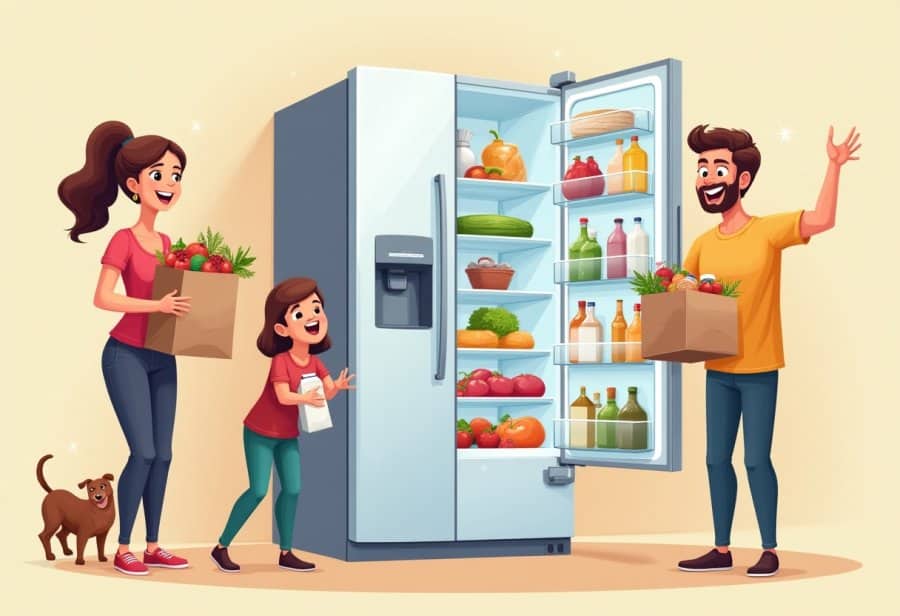
Modern appliances do more than just look sleek—they actively reshape how we handle daily routines and promote sustainability in our homes. For example, smart washing machines can automatically adjust water and energy use based on the load, helping families save resources and lower utility bills without sacrificing cleaning quality. Refrigerators equipped with sensors monitor food freshness and suggest optimal storage, reducing waste and ensuring groceries last longer. These innovations streamline chores, making them quicker and less physically demanding, so you can focus on other priorities.
Beyond saving time, these appliances enhance comfort through automation and smart features. Programmable thermostats and climate control systems learn your schedule, maintaining a cozy home without manual adjustments. Automated lighting and voice-activated controls turn routine interactions into effortless tasks, creating a living environment that feels seamless and responsive. This integration of technology turns everyday management into a smooth, intuitive experience, elevating the overall quality of home life.
Energy efficiency remains a core benefit, with many appliances designed to cut utility costs and reduce environmental impact. High-efficiency dishwashers and laundry machines use less water and electricity while performing their jobs effectively. Over months and years, these savings accumulate—lower bills, less resource consumption, and a smaller carbon footprint. These features reflect a shift toward greener living, where convenience and sustainability go hand in hand, encouraging households to adopt more eco-friendly habits.
Despite these advantages, some consumers remain cautious. Concerns about higher upfront costs or the durability of complex, connected devices persist. Not all appliances perform equally in real-world conditions, and maintenance can sometimes be more demanding. Recognizing these limitations helps buyers make informed decisions, ensuring their investments genuinely improve daily life without unforeseen hurdles.
Overall, appliances are no longer just functional tools; they are active partners in creating smarter, more efficient, and sustainable homes. By automating routine chores and optimizing resource use, they free up time and reduce waste, supporting a lifestyle rooted in comfort and environmental responsibility. These technological advances are redefining what we expect from our living spaces, turning everyday chores into opportunities for innovation and smarter living.
Looking ahead, the impact of these appliances will only deepen as technology advances. Future devices will likely be even more adaptive, capable of anticipating needs and adjusting automatically to habits, weather, or energy prices. Greater connectivity and smarter materials will make homes more responsive, sustainable, and effortless to manage. As these innovations unfold, our living environments will become more aligned with long-term sustainability goals, shaping a future where comfort, convenience, and environmental care go hand in hand.
For those seeking the most efficient cleaning options, exploring reviews and recommendations can be helpful. If you’re interested in finding a high-quality model, you might want to consider the best dishwasher to meet your household needs.
Real-World Impact: Practical Benefits of Smart Appliances in Everyday Living
Modern appliances are transforming daily household routines in ways that often go unnoticed but have a significant impact. Smart washing machines, for example, now automatically select the optimal cycle based on load size and fabric type, saving both water and energy while ensuring a thorough clean. Refrigerators equipped with sensors monitor food freshness and suggest the best storage methods, helping families reduce waste and stretch their grocery budgets. These innovations streamline chores, making them quicker and less physically demanding, so more time can be spent on what truly matters.
Home maintenance has become more effortless with devices like robotic vacuum cleaners and mops. Scheduled to operate when you’re away or asleep, they keep floors spotless without the usual hassle. This level of automation not only maintains a tidy home but also reduces physical strain, especially for those with mobility challenges. These smart helpers turn routine cleaning into almost effortless tasks, elevating everyday comfort and freeing up valuable time.
Energy-efficient appliances stand out for their ability to lower utility bills while supporting eco-friendly living. High-performance dishwashers and laundry machines now use significantly less water and electricity, often with smart sensors that optimize resource use during each cycle. Over time, these savings add up, helping households cut costs and lessen their environmental impact. These practical benefits encourage more sustainable habits without sacrificing convenience or effectiveness.
The rise of smart technology has also made managing homes more intuitive. Remote control apps and voice-activated assistants allow homeowners to preheat ovens, start laundry cycles, or adjust thermostats from anywhere. This seamless integration not only boosts convenience but also promotes better energy management, as routines can be fine-tuned to fit daily schedules and energy costs. These features turn household management into a more flexible, efficient experience.
Trusted appliance providers play a crucial role in maximizing these benefits. They assist in selecting the right models, ensure proper installation, and offer ongoing maintenance and support. Their expertise guarantees that appliances perform reliably, last longer, and deliver the efficiency gains homeowners expect. Proper guidance from professionals makes upgrading to smarter appliances a straightforward step toward a more comfortable, sustainable home.

Looking Ahead: The Future of Intelligent, Sustainable, and Connected Homes
As technology continues to evolve at a rapid pace, the future of household appliances promises to be more integrated, intelligent, and environmentally conscious than ever before. Artificial intelligence and machine learning are already beginning to shape devices that can adapt to our routines, anticipate our needs, and optimize their performance with minimal input. Imagine refrigerators that automatically adjust their settings based on your habits, or washing machines that select the best cycle depending on the load—all working seamlessly to make daily life easier and more efficient.
Sustainability remains at the forefront of innovation. Expect appliances to incorporate even greener materials, smarter sensors, and energy-saving modes that further reduce water and electricity use. As regulations tighten and consumer awareness grows, manufacturers are likely to prioritize eco-friendly features without compromising performance. This shift will help households lower their carbon footprint while maintaining the convenience they’ve come to expect from modern appliances.
Connectivity will deepen, creating homes where appliances communicate effortlessly with each other and with digital assistants. Picture ovens that coordinate with your grocery list, or thermostats that learn your schedule and adjust temperatures automatically. This interconnectedness will streamline household management, saving time and reducing energy waste. As voice control and smart hubs become more sophisticated, managing your home will feel more natural and less like a chore.
Advances in materials and manufacturing will also play a vital role. We can anticipate more durable, recyclable, and biodegradable components that extend appliance lifespans and minimize waste. Innovations in energy storage and renewable energy integration could enable appliances to operate more efficiently during peak times or when using clean energy sources, further supporting sustainable living. Homes themselves will adapt to these innovations, with designs optimized for automation and eco-friendliness.
While these exciting developments promise a more convenient and sustainable future, they also bring challenges. Privacy, security, and affordability will be critical considerations as devices become more connected and data-driven. Ensuring these technologies remain accessible and safe for all households will determine how quickly and widely they are adopted. Still, the trajectory is clear: our homes will become smarter, greener, and more responsive, transforming everyday living in ways we’re just beginning to imagine.